
Warehouse CCTV guide
Warehouse CCTV camera placement: a practical layout guide
A warehouse changes throughout the day. Camera placement must account for moving vehicles, stacked stock, open doors and the details an investigation actually needs.
- Free site inspection and quotation
- Engineer led, no salespeople
- No callout charges for 3 months after installation
Before you buy
Design for a working warehouse, not an empty building
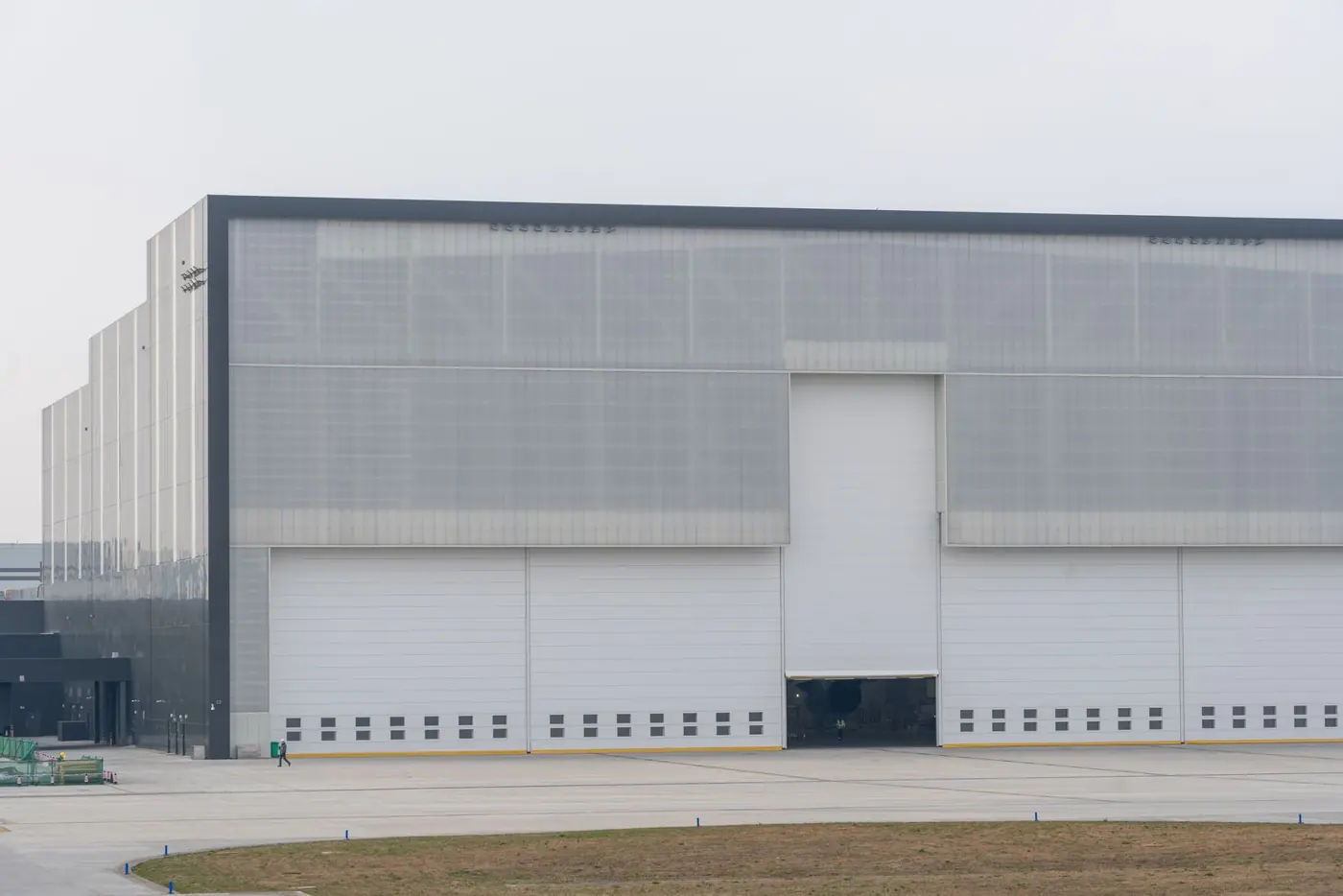
Warehouse CCTV has to cope with scale and constant change. High racking blocks long views, trailers conceal parts of a yard, and an open loading door can expose a camera to bright daylight against a darker interior. A layout drawn before stock arrives needs checking again under normal operating conditions.
List the journeys people, goods and vehicles make. Include staff and visitor entrances, pedestrian routes, goods-in, despatch, returns, high-value storage and waste areas. Note shifts, seasonal peaks and times when only part of the building is occupied.
Then decide which views support security, operational review or incident investigation. Avoid treating staff monitoring as the default purpose. Camera use must be necessary and proportionate, with appropriate privacy information and controls for the people whose images are recorded.
Involve the people who know the building best. Shift managers, transport staff and maintenance teams often know where vehicles wait, where stock is moved temporarily and which doors are opened outside normal routines. Their knowledge helps the installer place cameras for real activity rather than the layout shown on an old drawing.
Start at the perimeter and vehicle entrance
Cover the site approach and gate so an authorised user can understand a vehicle's arrival and direction of travel. A general yard view may be useful alongside a dedicated entrance camera. If number plate recognition is required, specify its angle, distance, lighting and vehicle speed separately from general surveillance.
Fence lines, rear doors and external storage need views that are not blocked by parked trailers or seasonal growth. Position cameras and lighting to reduce deep shadow without aiming bright fittings into the lens. Consider how an intruder could approach behind large objects.
Automatic gates and barriers can provide useful reference points for video events. Integration should support a clear response and preserve essential fixed coverage even if a PTZ camera is also used to inspect the wider yard.
Vehicle entrance
Plan separate views for general context and any required plate detail, with a safe layout for cars, vans and HGVs.
Perimeter
Check vulnerable stretches and concealed approaches after dark and when the yard is full, not only when it is empty.
Cover loading docks and goods movement
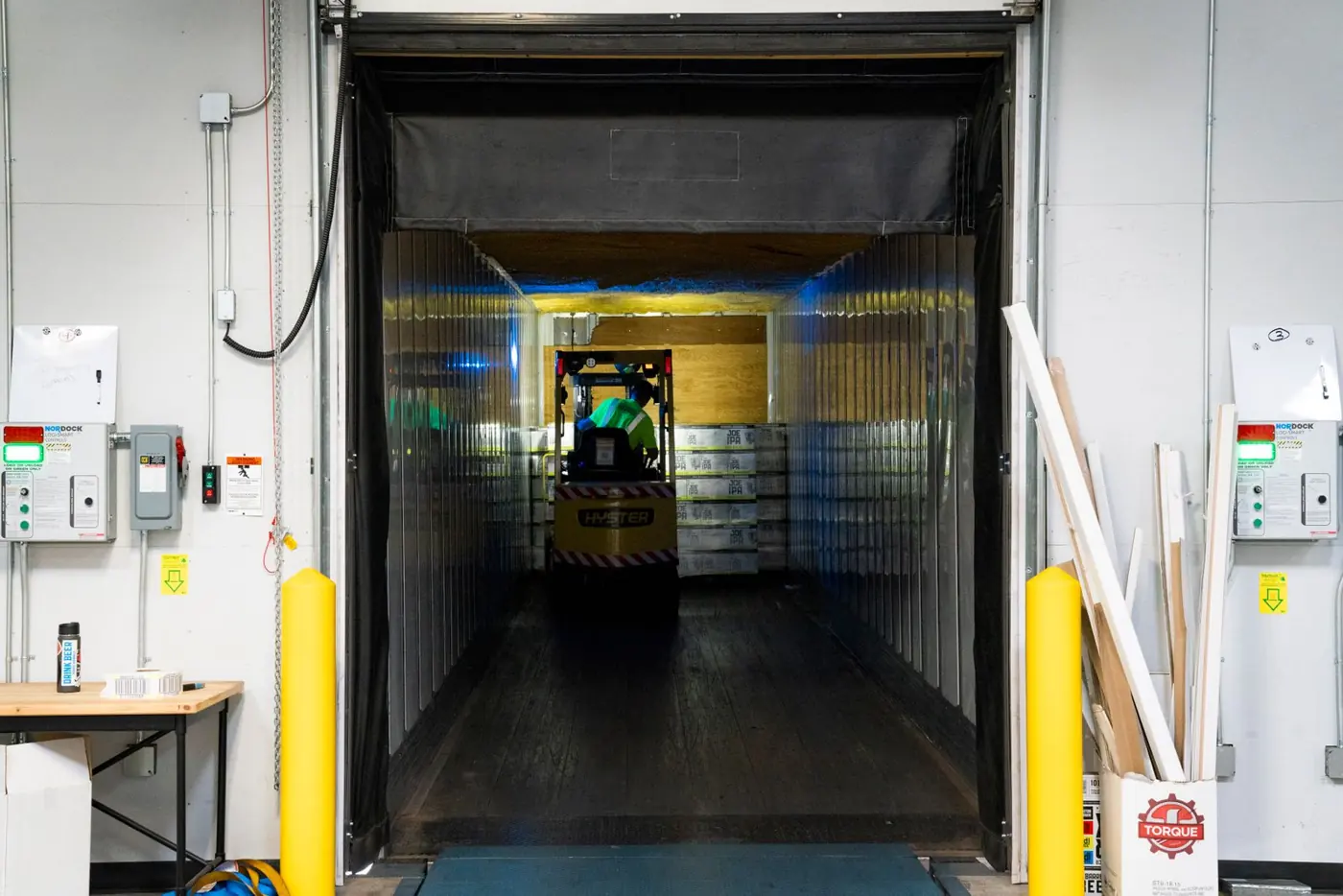
Loading doors may need both an internal view of the threshold and an external view of the vehicle approach. Mounting too high can hide activity beneath a canopy or behind a raised shutter. The final position should show the required handling area without creating an avoidable risk to people working nearby.
For goods-in and despatch, identify the point where footage could resolve a specific question about a delivery or damaged item. A broad view of several bays may not provide enough detail. Camera placement must not interfere with doors, sprinklers, lifting equipment or safe vehicle movement.
Racking aisles can be covered from ends or junctions, but stock height and lighting determine whether the view remains useful. Review several representative aisles rather than assuming a repeated layout behaves identically in every part of the building.
Balance identification with general awareness
Use narrower views where a person or item needs to be seen clearly, and wider views for context. A doorway camera placed purely for area coverage may capture mostly the top of a person's head. Conversely, a close view alone may not show where that person came from or went next.
Linked cameras should let an investigator follow a journey without excessive overlap. Mark the intended handover between views on the plan. Keep fixed coverage at critical points even where movable cameras or analytics are available.
Recorder position also matters. Protect it against unauthorised access, dust and unsuitable temperatures, and provide the required network and power arrangements. Staff who need to retrieve evidence should be trained without receiving unnecessary administrator rights.
- Review camera views with racking stocked and vehicles in normal positions.
- Separate general yard awareness from entrance identification views.
- Avoid fittings, cables and mounts that interfere with safe operations.
- Protect the recorder and control who can view or export footage.
Commission the layout under real conditions
Walk through typical activity with the installer and inspect both live and recorded images. Test open and closed loading doors, peak vehicle movements, low sunlight and night lighting. Check that vibration, dust or washdown conditions do not compromise the selected equipment.
Keep the accepted layout and a short purpose statement for every camera. Reassess views after new racking, mezzanines, partitions or yard changes. Routine maintenance should compare the current image with that baseline so gradual obstructions are corrected rather than accepted.
FAQs
Warehouse CCTV placement: frequently asked questions
Should warehouse cameras be mounted as high as possible?
No. Height can reduce tampering and see over obstacles, but too much height loses facial and handling detail. Choose it for each view and use safe access methods.
Can one camera cover several loading bays?
It may provide general context, but distance, canopies and vehicles can hide detail. Test whether the image answers the intended question for every bay.
Do cameras need to cover every aisle?
Not necessarily. Prioritise journeys, assets and incident risks. A proportionate design can use entrances, junctions and key areas without recording every space.
Further reading
Related commercial security guides
How many CCTV cameras?
Plan camera numbers around useful views, building layout and operational priorities rather than buying a standard package.
Read the guideCCTV camera types explained
Understand dome, bullet, PTZ, panoramic, thermal and number plate cameras, and where each format fits a commercial site.
Read the guideImproving CCTV at night
Diagnose glare, dark scenes and soft night footage through camera positioning, lighting, cleaning and controlled settings.
Read the guide
Sources
External references used for this guide
Planning CCTV for a working warehouse?
Arrange a free engineer-led inspection of your building, yard and daily movements before fixing camera positions.
Free site inspection
Request a warehouse CCTV site plan
Tell us about your loading bays, racking, yard and current cameras, and identify the incidents or blind spots you need to address.
Or email info@msmesecurity.co.uk
- Monday to Friday: 9am to 6pm
- Saturday and Sunday: 11am to 5pm