
CCTV equipment guide
CCTV camera types explained for business premises
Camera shape is only the starting point. Learn how different CCTV camera types see a scene and which details matter when specifying each position.
- Free site inspection and quotation
- Engineer led, no salespeople
- No callout charges for 3 months after installation
Before you buy
Choose a camera for the view, not the catalogue
Commercial CCTV cameras can look similar while producing very different results. The housing gives a clue about where a camera can be installed, but the lens, sensor, lighting and intended viewing distance determine whether the recording answers your questions. A camera that provides a useful overview of a yard may not provide a close view of a person at the gate.
Start with a sentence for every proposed position, such as recording visitors at reception or monitoring a loading door. This makes it easier to choose between a fixed camera, a movable PTZ, a wide panoramic view or a specialist device. It also prevents paying for features that do not improve the required image.
The main formats below describe how cameras are built and used. They are not quality rankings. A well positioned fixed camera often provides more consistent evidence than a movable camera that happens to be looking elsewhere when an incident occurs.
Dome and bullet cameras for fixed views
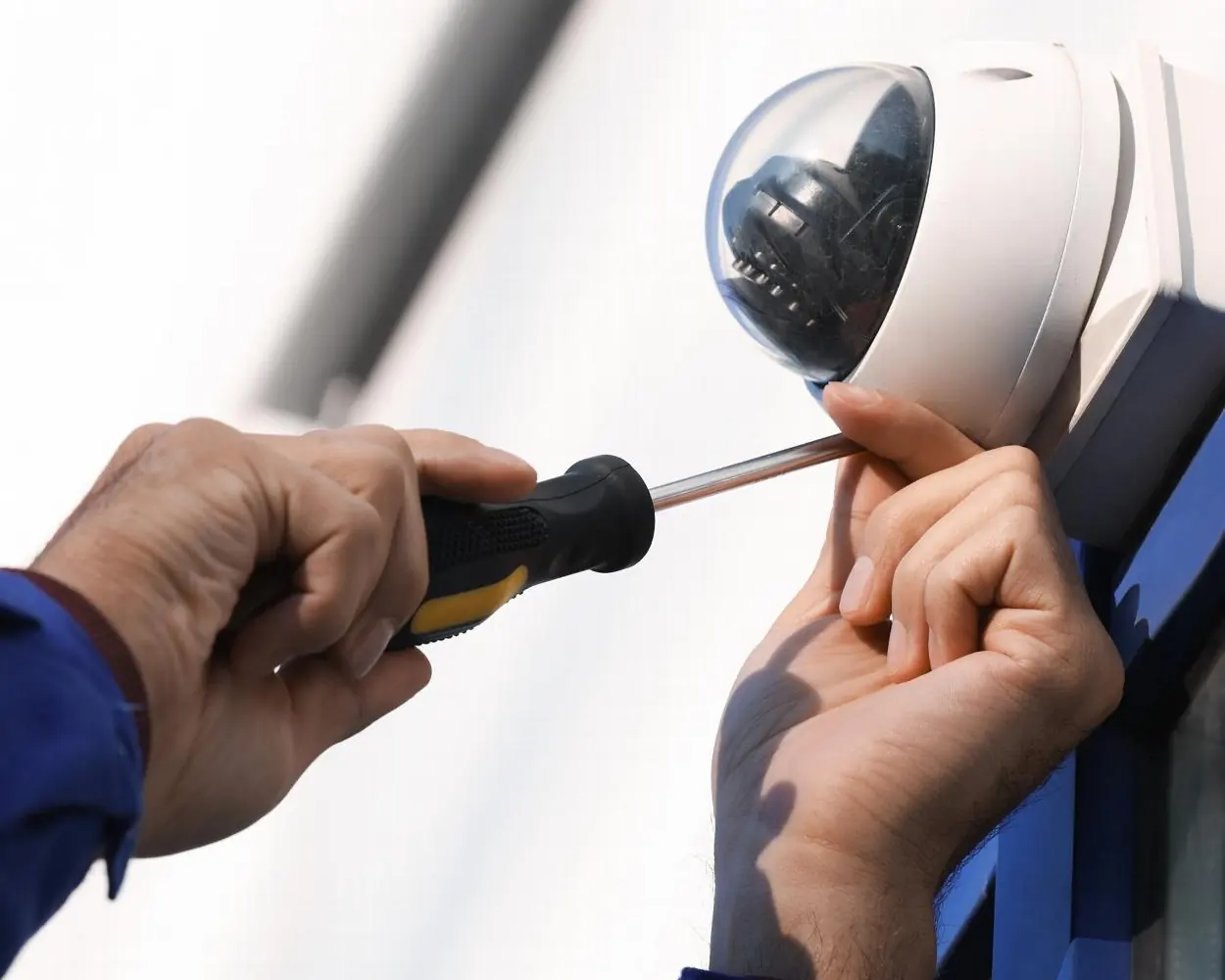
Fixed cameras hold one chosen view. Dome cameras sit within a rounded housing and are commonly used inside buildings, beneath canopies and at entrances. Their appearance is relatively discreet, and suitable models can provide protection against tampering. The dome surface must remain clean and undamaged because dirt, scratches and infrared reflection can spoil the picture.
Bullet cameras have a more obvious cylindrical or rectangular body. They suit many external walls, fence lines and approaches where the camera direction should be clear. A housing alone does not make a product weather resistant or vandal resistant, so check its environmental rating, mounting and operating temperature for the actual location.
Fixed lens
A set field of view suits a position that is unlikely to change. Wider views cover more area but place fewer pixels on a distant person or object.
Varifocal lens
The viewing angle can be adjusted during installation to frame a door, aisle or vehicle lane more precisely without relying on digital enlargement.
PTZ, panoramic and specialist cameras
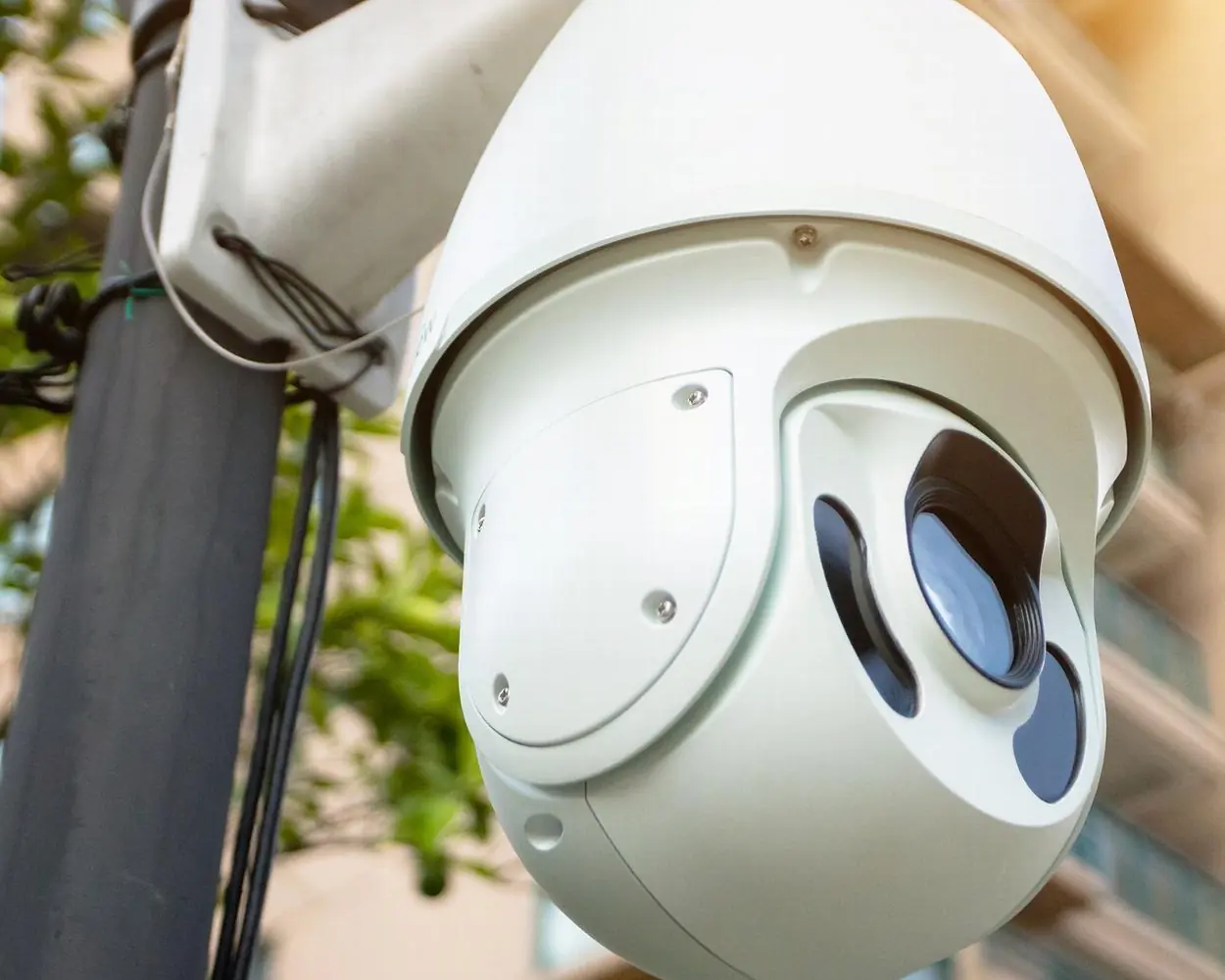
A PTZ camera can pan, tilt and zoom. It allows an operator to follow activity or inspect different parts of a large site, and some models can tour preset positions. It still records only where it is pointing at the time. Fixed cameras should usually protect critical entrances and views that cannot be left unwatched.
Panoramic cameras use one or more sensors to cover a broad scene, reducing blind spots in areas such as open-plan floors or yards. Thermal cameras detect heat contrast rather than relying on visible light, making them useful for detecting people or vehicles in difficult conditions. Their images serve a different purpose from a conventional identification view.
Number plate recognition cameras are configured for the demanding combination of distance, angle, vehicle speed and lighting at an entrance. ANPR is a function of a complete camera and software arrangement, not simply a high-resolution setting on any camera.
Use a PTZ for active investigation
Best where an operator or an automatic rule will direct the camera, while separate fixed cameras preserve essential coverage.
Use specialist detection carefully
Thermal and analytical functions need testing in the real scene, with clear rules for what staff should do after an alert.
Resolution, lens and low-light performance
Resolution describes the number of pixels available, not the usefulness of every image. A higher resolution can help when a camera covers a large area or when recorded detail needs enlarging, but it also increases storage and network demand. Lens choice and target distance remain essential.
At night, infrared illumination can provide monochrome images without visible lighting. Other cameras retain colour under suitable white light. Check how the proposed model handles the darkest part of the scene, bright vehicle lamps and reflective surfaces. Manufacturer distances are not a substitute for viewing a test image at your premises.
Wide dynamic range features can help where bright daylight and deep shadow appear together, such as a doorway viewed from inside. Image stabilisation, privacy masking and audio may also be available, but each needs a defined operational reason and appropriate configuration.
A practical camera schedule for your quotation
Ask for a schedule that identifies every camera position, format, lens, recording purpose and expected day and night view. Include the mounting height, housing, cable route and any infrared or white-light illumination. This makes alternative quotations easier to compare and gives your team a reference for future maintenance.
Review sample footage in the conditions that matter, including rain, darkness and busy operating periods where possible. Confirm whether the recorder and network can support the selected settings with the retention period you need. The completed handover should show how to find, play and export useful clips without changing the design accidentally.
- Give each camera one clear primary purpose.
- Check identification views separately from general area coverage.
- Inspect night images before accepting the final positions.
- Keep fixed coverage on critical doors and gates even when a PTZ is installed.
FAQs
CCTV camera types explained: frequently asked questions
Is a dome or bullet camera better outside?
Either can work when its housing and mounting suit the weather and risk of damage. Lens, image performance and position are usually more important than the outer shape.
Can one PTZ replace several fixed cameras?
It can inspect several views but cannot record all of them simultaneously. Keep fixed cameras on areas where continuous coverage is required.
Does a higher resolution camera always give better evidence?
No. Lens choice, distance, movement, lighting and recording settings all affect usable detail. Higher resolution also requires appropriate storage and network capacity.
Further reading
Related commercial security guides
How many CCTV cameras?
Plan camera numbers around useful views, building layout and operational priorities rather than buying a standard package.
Read the guideImproving CCTV at night
Diagnose glare, dark scenes and soft night footage through camera positioning, lighting, cleaning and controlled settings.
Read the guideWarehouse CCTV placement
Plan warehouse camera views around doors, docks, aisles, yards and processes while accounting for racking, vehicles and lighting.
Read the guide
Sources
External references used for this guide
Need help choosing cameras for each view?
An engineer can assess your premises and explain which camera types suit the distances, lighting and activity on site.
Free site inspection
Arrange a CCTV camera consultation
Tell us which entrances, rooms or outdoor areas you need to see and whether any cameras are already installed.
Or email info@msmesecurity.co.uk
- Monday to Friday: 9am to 6pm
- Saturday and Sunday: 11am to 5pm