
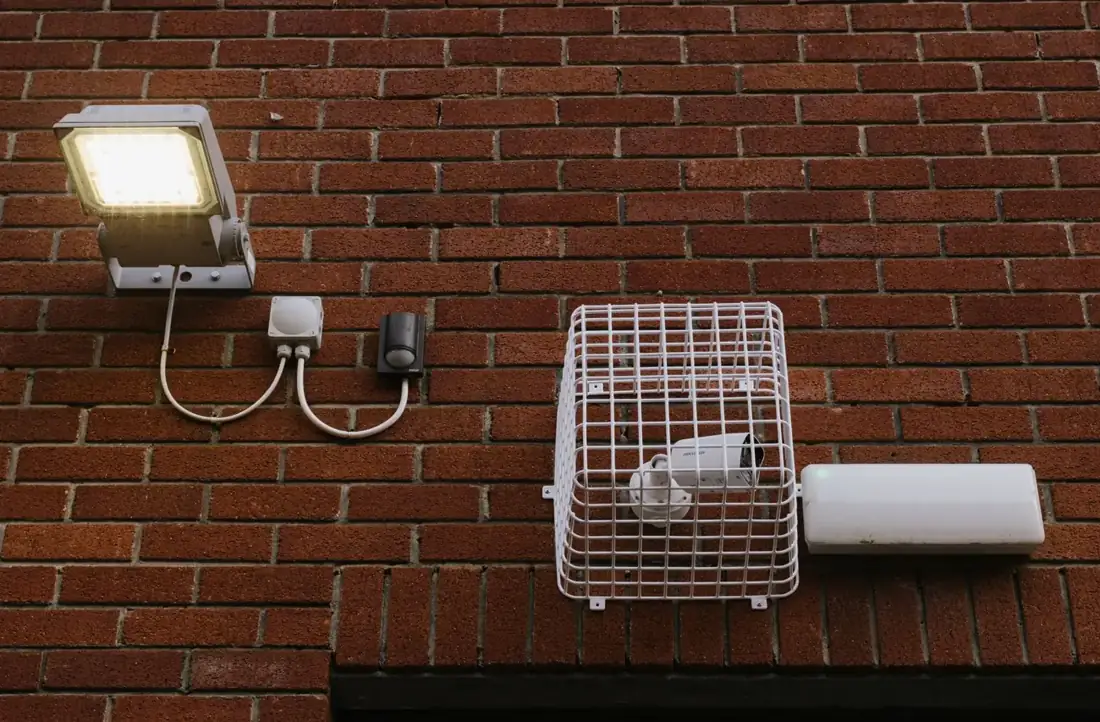
Security lighting guide
Security lighting for business premises: placement and control
Good security lighting helps people see and cameras record, but more brightness is not always better. Placement, distribution and control determine the result.
- Free site inspection and quotation
- Engineer led, no salespeople
- No callout charges for 3 months after installation
Before you buy
Light the routes and details that matter
External lighting supports safe movement, makes boundaries and entrances visible and can improve CCTV images. It should be designed around the way the premises are used after dark, from staff walking to vehicles to HGVs approaching a loading area.
A single very bright fitting can create harsh contrast, deep shadows and glare while leaving important areas poorly lit. Even illumination at the required location is often more useful. Cameras also see light differently from people, so their recorded images must be checked after dark.
Consider neighbours, passing drivers and the surrounding environment. Uncontrolled light spill can cause nuisance and reduce visibility rather than improve it. The layout should direct light where it is needed and avoid unnecessary operation.
Write down the purpose of each fitting before replacing or adding lights. A lamp for safe walking, one for a camera view and one for an occasional alert may need different positions and controls, even when they are close together.
That purpose helps decide whether a fitting should be on all night or only when needed.
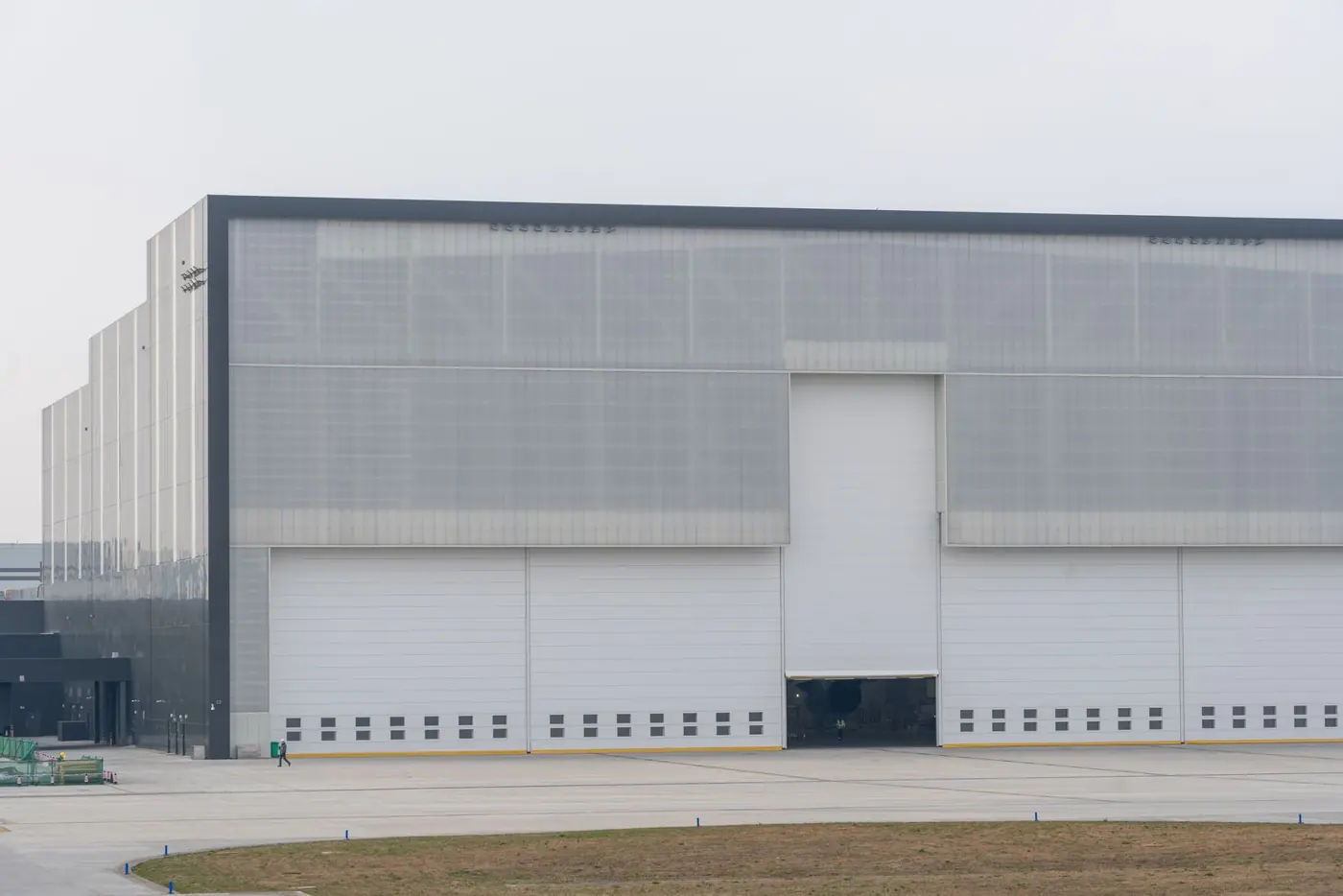
Map the site after dark
Walk and drive the relevant routes safely with the existing lighting on. Note entrances, steps, changes in level, pedestrian crossings, gates, loading docks and areas where people need to identify a visitor or vehicle. Include darker corners created by buildings and stored items.
Compare the scene with the CCTV views. A camera looking towards a bright lamp can suffer glare, while one facing the other way may have a clearer subject. Check reflective surfaces, wet ground and headlights as well as static darkness.
Mark areas that require regular working light separately from locations where occasional motion-activated light may be appropriate. This helps avoid both under-lighting a busy area and illuminating an unused boundary all night without a clear reason.
People on foot
Consider faces at entrances, walking routes, steps and transitions between bright and dark areas, not just the car park surface.
Vehicles and work
Account for approach directions, reversing, loading and temporary shadows from trailers or large vehicles.
Choose mounting positions and beam distribution
Wall-mounted fittings can serve entrances, canopies and smaller yards, while columns may be needed across larger open areas away from buildings. Mounting height and aiming influence coverage, glare and future maintenance access.
Select a distribution that suits the target area rather than relying on a generic flood. Overlapping light may reduce severe shadows, but excessive overlap wastes energy. The design should consider obstructions and the darkest conditions in which the site operates.
Keep fittings clear of moving doors, vehicles and other equipment, and provide safe maintenance access. External electrical installation requires suitable equipment, protection and competent installation for the environment.
Coordinate lighting with CCTV
Avoid pointing lights directly into a camera lens or placing them where infrared reflects from nearby surfaces. Position the camera and light so the subject is illuminated evenly. A test using real people and vehicles is more useful than judging the scene from beside the fitting.
Some cameras use infrared and record monochrome at night, while others use visible light to retain colour. White lighting and infrared illumination should be selected for the camera's mode and intended image. ANPR views need their own tested arrangement.
Sudden switching can temporarily affect exposure, so test motion-controlled lights with recording. Check that footage remains useful during the transition and that movement starts recording early enough where motion recording is used.
- Inspect the actual recorded image after dark.
- Avoid glare into cameras, drivers' eyes and neighbouring properties.
- Account for shadows from stock, vehicles and seasonal vegetation.
- Include cleaning and safe access in the maintenance plan.
Use sensors, photocells and timers deliberately
Photocells can switch lighting as daylight changes, timers can support known operating periods and motion sensors can activate selected fittings when movement occurs. These controls can be combined, but their interaction should be simple enough for staff to understand.
Set sensor position and range to detect relevant activity without constant triggering from passing traffic or movement outside the site. A light staying on may indicate a control, positioning or equipment issue rather than a need for a brighter replacement.
Review operation as seasons and working hours change. Record the normal settings and provide an override procedure where required. Energy use, lighting quality and security response should be assessed together rather than treating the shortest possible operating time as the only goal.
FAQs
Security lighting for businesses: frequently asked questions
Are brighter floodlights always better for security?
No. Excess brightness can cause glare, contrast and light spill. Even, correctly aimed illumination of the required area is more important.
Should security lights stay on all night?
It depends on the site's activity and risks. Photocells, timers and motion controls offer different operating patterns that should be tested with cameras and users.
Can better lighting improve existing CCTV?
Often, when it is positioned to illuminate the subject without glare or reflection. Review recorded night footage before and after the change.
Further reading
Related commercial security guides
Improving CCTV at night
Diagnose glare, dark scenes and soft night footage through camera positioning, lighting, cleaning and controlled settings.
Read the guideTypes of security fencing
Compare mesh, palisade, pedestrian gates and internal compounds by visibility, boundary layout, integration and day-to-day use.
Read the guideWarehouse CCTV placement
Plan warehouse camera views around doors, docks, aisles, yards and processes while accounting for racking, vehicles and lighting.
Read the guide
Sources
External references used for this guide
Are dark areas or glare affecting your site at night?
Arrange a joint review of yard lighting, camera views and operating controls before changing fittings.
Free site inspection
Request a commercial lighting survey
Tell us which outdoor areas are used after dark, any CCTV problems and whether you want sensors, timers or photocell control.
Or email info@msmesecurity.co.uk
- Monday to Friday: 9am to 6pm
- Saturday and Sunday: 11am to 5pm