
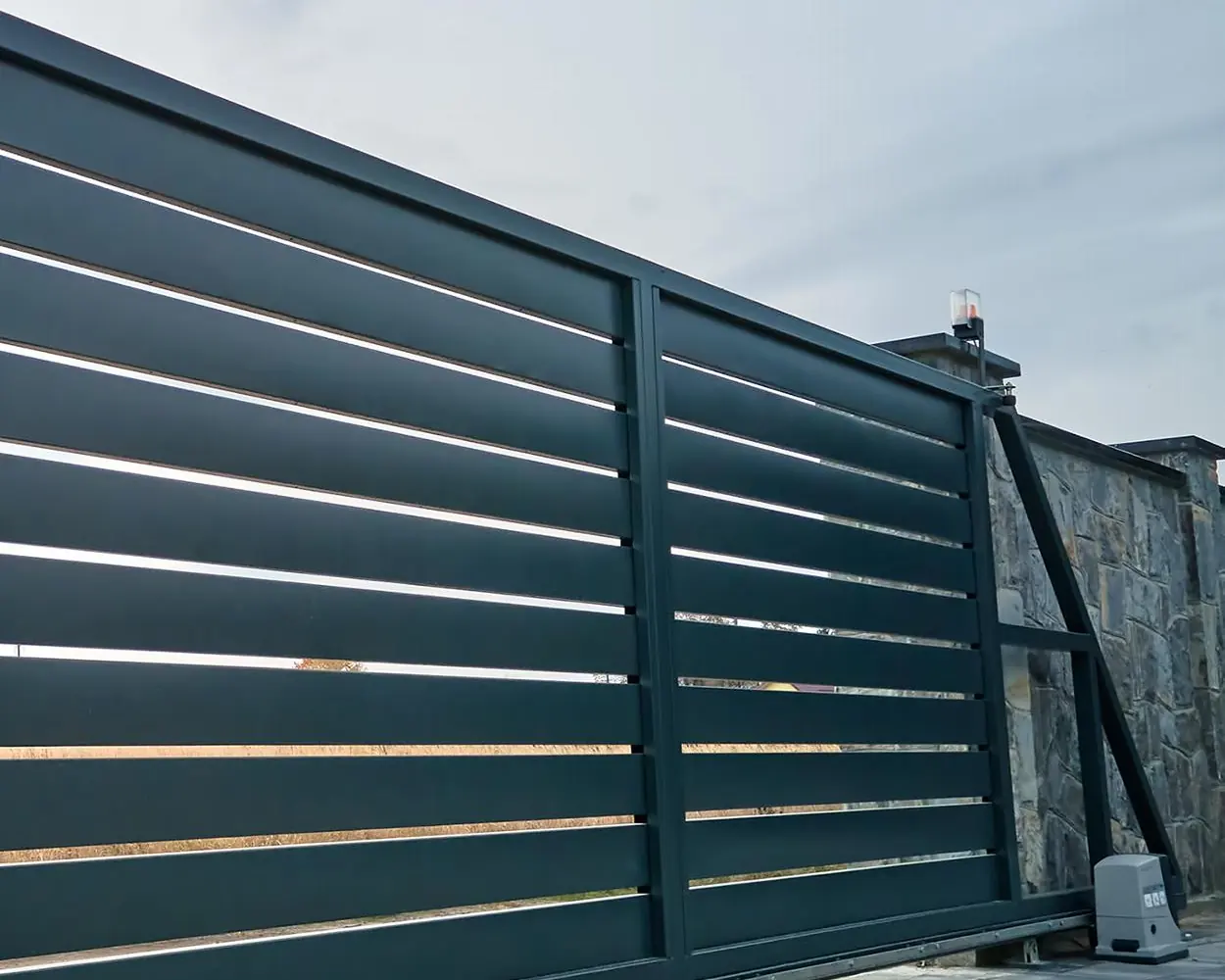
Automatic gate maintenance guide
Automatic gate maintenance checklist for commercial sites
Powered gates need regular checks to remain safe and reliable. Inspect both the moving structure and the devices designed to protect people around it.
- Free site inspection and quotation
- Engineer led, no salespeople
- No callout charges for 3 months after installation
Before you buy
A working gate is not necessarily a safe gate
An automatic gate can continue opening and closing while fixings loosen, a track fills with debris or a safety device stops responding. Weather, impact and frequent cycles add wear. Maintenance must therefore examine the structure, drive and safety functions together.
MSME Security recommends a routine automatic gate service at least once a year. Usage, environment and the manufacturer's instructions may require more frequent inspection. Site staff should also look and listen for changes and report them promptly.
Powered gates can cause serious injury. Isolate equipment safely before relevant work and use competent people for mechanical, electrical and safety testing. Never hold a moving gate, bypass a sensor or release a drive without understanding the stored energy and movement risks.
Keep a simple site log between visits. Note dates of impact, unusual noises, repeated stops, remote-control problems and any time the manual release was used. Patterns help the engineer find the cause and show whether the gate has changed since its last service.
Include the weather and time of day when each fault happens.
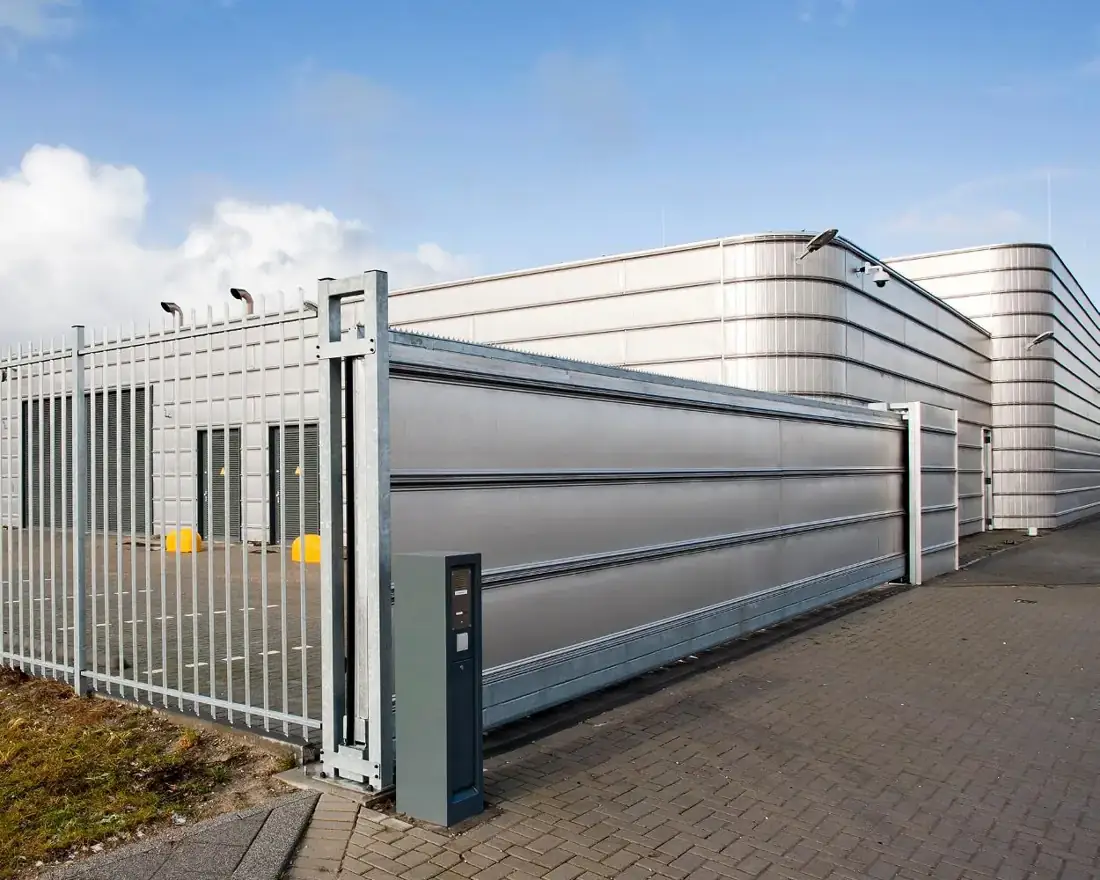
Inspect the gate, supports and travel area
Check the leaf, frame, infill and welding or fixings for deformation, corrosion and damage. Look for contact with the ground or nearby objects through the complete travel. Remove leaves, litter and other obstructions using a safe procedure.
For sliding gates, inspect track or cantilever running gear, guides, stops and foundations as applicable. The gate must remain supported and cannot be allowed to run off its intended path. Keep the run-back area guarded and clear.
For swing gates, inspect posts, hinges, stops and the swing arc. Ground movement or impact can alter alignment and place extra load on the operator. Solid gates and adverse weather can add forces that need professional assessment.
Structural condition
Check the gate and its supports before assessing the motor, because mechanical resistance and instability affect the entire system.
Travel and trapping points
Review every area where the gate approaches fixed objects, including changes caused by vehicles, storage or ground movement.
Check the drive, electrical equipment and controls
An engineer should inspect the operator, mountings, wiring, enclosure and control equipment for wear, moisture and damage. Listen for abnormal noise and note slow, jerky or inconsistent movement. Do not simply increase force settings to overcome resistance.
Test keypads, readers, intercoms, transmitters, ANPR and gatehouse controls that form part of the entrance. Check exit and safety loops or other vehicle detection using the correct procedure. Remove obsolete user credentials and review who can change operating modes.
Inspect any backup power arrangements where fitted and confirm the behaviour expected during power loss. Record adjustments and parts so later visits can identify recurring mechanical or electronic problems.
Test every safety function under controlled conditions
Photocells, safety edges, force limitation and other protective measures should be tested using appropriate equipment and methods for the gate design. The correct combination depends on identified hazards; a single photocell does not make every gate safe.
Test the full opening and closing cycle while controlling access to the area. Verify that the gate responds correctly to each device and that warning signs, lights or audible devices where fitted operate as intended. Any failed safety function needs immediate action under the site's safety procedure.
Check manual release and safe isolation arrangements with the people authorised to use them. A released gate may move unexpectedly, particularly on a slope or in wind, so training and restraint arrangements are essential.
- Inspect structure and running gear before adjusting the operator.
- Test safety devices through the complete gate travel.
- Keep access controls and authorised user lists current.
- Record defects, force or safety tests, repairs and outstanding actions.
Respond to changes between service visits
Stop and report abnormal movement, impact damage, loose supports or failed protective devices according to the site's procedure. Do not wait for the next annual visit when the gate's condition has changed significantly.
New fencing, resurfacing, stored items, changed traffic or additional pedestrians can alter the original risk assessment. Tell the maintenance provider about these changes. The service report should clearly identify any restriction on use until corrective work is complete.
Keep user instructions, declarations and maintenance records available for the people responsible for workplace equipment. Regular review helps ensure the gate remains safe as installed, not merely operational on the day it was commissioned.
FAQs
Automatic gate maintenance: frequently asked questions
How often should an automatic commercial gate be serviced?
MSME Security recommends at least annual servicing. Manufacturer instructions, usage, environment and the gate's risk assessment may require more frequent checks.
Can staff use manual release during a power cut?
Only authorised, trained people should do so under the site's procedure, because a released gate can move unexpectedly and the entrance still needs controlling.
Why should a slow gate not simply have its force increased?
Resistance may come from damage, alignment or running-gear problems. Increasing force can mask the fault and undermine safe operation.
Further reading
Related commercial security guides
Sliding vs swing automatic gates
Compare movement space, gradients, traffic, groundworks and safety for commercial sliding and swing gate installations.
Read the guideBarrier servicing and maintenance
How often an automatic barrier should be serviced, what a service visit covers and the faults that most often stop barriers working.
Read the guideAutomatic gate cost
Budget for the gate, automation, groundworks, safety equipment and controls as one complete entrance project.
Read the guide
Sources
External references used for this guide
Is your automatic gate due a safety and service check?
Arrange a competent inspection of the structure, drive, controls, protective devices and manual release.
Free site inspection
Request automatic gate maintenance
Tell us the gate type, approximate usage and any impact, noise, movement or safety-device concerns you have noticed.
Or email info@msmesecurity.co.uk
- Monday to Friday: 9am to 6pm
- Saturday and Sunday: 11am to 5pm