
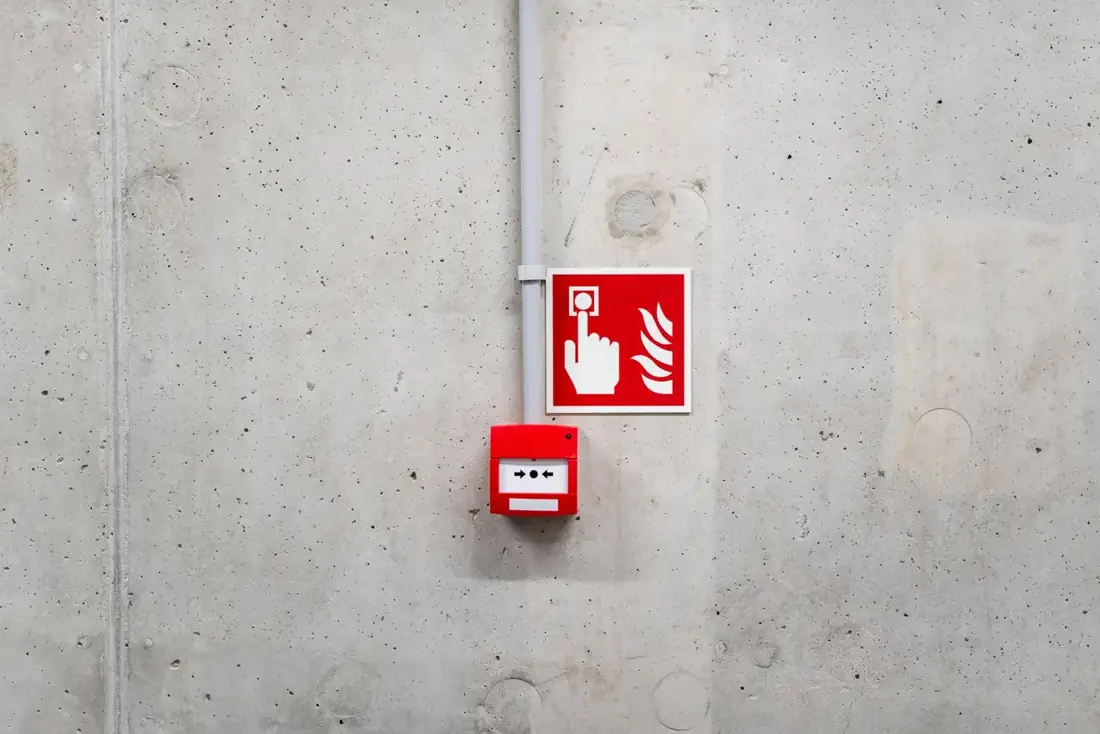
Fire alarm upkeep
Replacing smoke detectors in a commercial fire alarm system
Smoke detectors do not last forever. Knowing when and how to replace them keeps a fire alarm reliable and helps avoid the false alarms that wear down confidence in the system.
- Free site inspection and quotation
- Engineer led, no salespeople
- No callout charges for 3 months after installation
Before you buy
Detectors age, even when the panel looks healthy
A fire alarm panel showing no faults does not mean every detector is still sensitive and clean. Dust, insects, humidity and age gradually affect how smoke detectors respond, which can show up as false alarms or, less visibly, as slower detection.
Manufacturers state a recommended service life for their detectors, and servicing engineers check detectors at each visit. Replacement is normally planned through that servicing rather than left until a device fails.
This guide covers commercial systems designed to BS 5839-1. Standalone domestic smoke alarms are a separate subject with their own manufacturer guidance.
Signs a detector needs attention
Repeated false alarms from the same device are the most common sign. If one detector keeps triggering while nothing has changed in the room, it may be contaminated or nearing the end of its life.
Fault messages, visible damage, paint or tape over the detector head, and devices fouled by construction dust also need prompt attention. Covers fitted during building work must be removed afterwards.
Check the log book. A pattern of events linked to particular devices helps the engineer decide between cleaning, relocation and replacement.
Replacement or a design change?
Not every false alarm means a faulty detector. A smoke detector near a kitchen, shower, loading door or dusty process may be the wrong type for its location, and a new identical unit will behave the same way.
In those cases the better fix may be a heat detector, a multi sensor device or moving the detector. Any change of type or position should be checked against the system design and fire risk assessment.
Changes to room layouts, such as new partitions or high racking, can also leave detectors poorly sited. Mention any alterations to the building at each service visit.
Compatibility with your panel
Detectors must be compatible with the fire alarm panel and the protocol it uses. Fitting a detector from a different range may mean it does not communicate correctly or does not report faults.
If your detectors or panel are no longer manufactured, replacement parts may become hard to source. That is a reason to plan ahead rather than discovering it during a fault.
Addressable systems need replacements programmed with the right address and description, so the panel still shows exactly where an alarm originates.
Planning replacement as part of servicing
BS 5839-1 recommends servicing at least every six months. Engineers test detectors during these visits, and replacements can be scheduled across visits so the whole system is not disrupted at once.
Ask your servicing provider for a record of detector ages and models. This makes it easier to budget and to spot devices approaching the end of their stated life.
After replacement, each device should be tested and the work recorded in the log book, along with any disablement and the time it was restored.
Keeping the premises protected during work
When detectors are disabled for replacement, the area they cover is less protected. Agree how this will be managed, such as limiting the number of devices out of service at once.
Tell staff and anyone receiving alarm signals before testing starts, so alarms during the work are not mistaken for genuine events or, worse, ignored afterwards.
Fire alarm components should be replaced by a competent person. Staff should not remove detectors or alter wiring, even to stop a nuisance alarm.
Budgeting for detector replacement
Replacement costs depend on the number of detectors, the types involved, access to high ceilings and whether the work can be done during normal service visits. Spreading replacement across several visits can make budgeting easier.
Large warehouse roofs may need access equipment or specialist detectors, which affects the time required. Ask for this to be identified in advance so it can be planned around operations.
Where a panel range has been discontinued, compare the cost of continued repairs against a planned upgrade. A survey can show which parts of the existing cabling and devices could be retained.
Keep quotations, detector schedules and service reports together. A clear history helps you make sensible decisions and shows the fire risk assessor that the system is being maintained.
FAQs
Replacing smoke detectors: frequently asked questions
How often should commercial smoke detectors be replaced?
Follow the manufacturer's stated service life and your servicing engineer's advice. Detectors are tested at each service visit, and replacement is normally planned before they reach the end of their life.
Can we replace a detector with a different brand?
Only if it is compatible with your panel. Detectors from another range may not communicate properly. Your servicing engineer can confirm suitable replacements.
Why does one detector keep causing false alarms?
It may be dirty, damaged or near the end of its life, or it may be the wrong type for the room. An engineer can decide whether cleaning, replacement or a change of detector type is needed.
Is the building unprotected while detectors are replaced?
Coverage is reduced in the affected area during the work. Good practice is to limit how many devices are disabled at once and restore them promptly, recording this in the log book.
Further reading
Related commercial security guides
Fire alarm maintenance
Understand responsible-person checks, professional servicing, logbooks, detectors, sounders, standby power and building changes.
Read the guideReduce false fire alarms
Repeated unwanted fire alarms disrupt work and can weaken trust in the warning system. Reduce them through investigation and controlled improvements, never by encouraging staff to ignore signals or leave detection disabled.
Read the guideFire alarm log book and tests
A fire alarm log book turns routine checks and unexpected events into an accountable record. Weekly user tests support that record, but they do not replace competent servicing or a suitable fire risk assessment.
Read the guide
Sources
External references used for this guide
Detectors causing trouble?
Arrange a free site inspection and consultation so an engineer can look at the building, talk through how it is used and explain the options in plain terms.
Free site inspection
Discuss your fire alarm detectors
Tell us about the system, any false alarms and when it was last serviced, and we will arrange a visit.
Or email info@msmesecurity.co.uk
- Monday to Friday: 9am to 6pm
- Saturday and Sunday: 11am to 5pm