
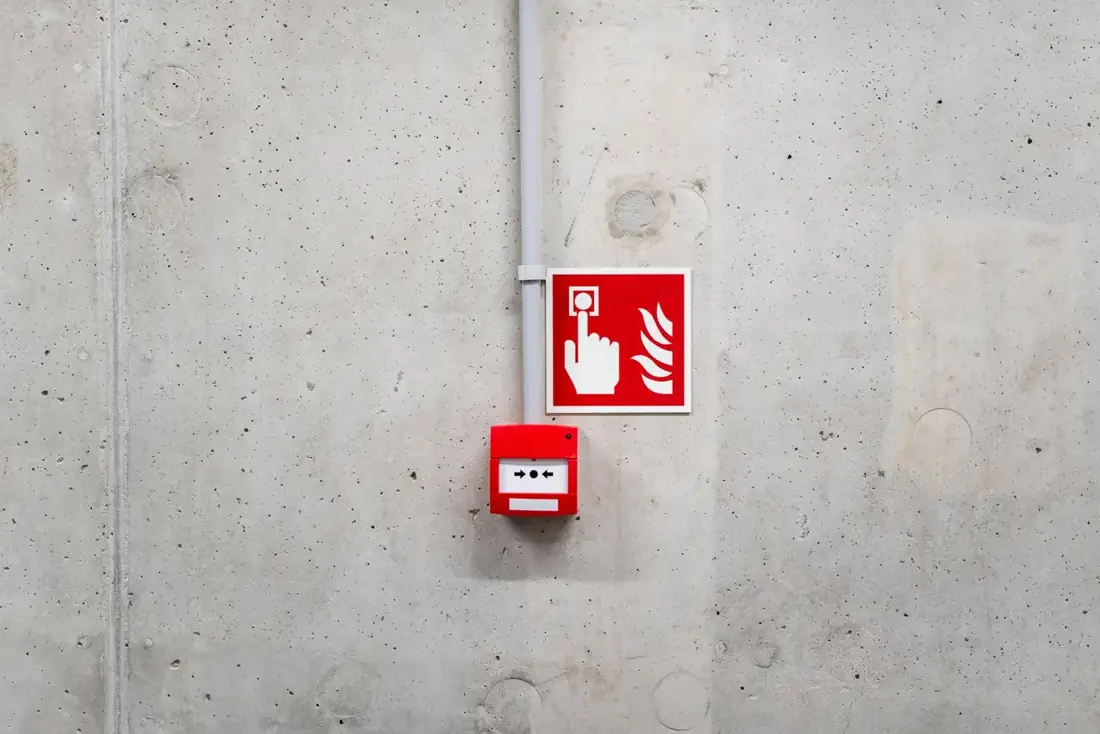
Fire alarm maintenance guide
Fire alarm maintenance checklist for commercial premises
Fire alarm maintenance combines regular user checks with professional inspection and testing. Keep clear records and act on defects rather than waiting for the next visit.
- Free site inspection and quotation
- Engineer led, no salespeople
- No callout charges for 3 months after installation
Before you buy
A fire alarm must be ready before it is needed
A commercial fire alarm provides early detection and warning, but only when its devices, circuits, power and audible or visual alerts work as intended. Dust, damage, building changes and isolated equipment can all weaken that protection without being obvious to a casual observer.
The responsible person must ensure fire safety provisions are maintained. BS 5839-1 recommends inspection and servicing at least every six months by a competent person, with routine user tests between visits. The fire risk assessment and system design may call for additional arrangements.
Maintenance is not a reason to silence persistent faults or leave detectors covered. Any impairment should be recorded and managed under the building's fire safety procedure, with appropriate interim measures and prompt corrective work.
Before each service, gather the logbook, details of recent alarms and faults, and information about any building work since the last visit. Tell the engineer where access is difficult, which areas cannot be disturbed and whether the system signals to a monitoring centre. Good preparation reduces disruption and makes it more likely that every device and function is tested properly.
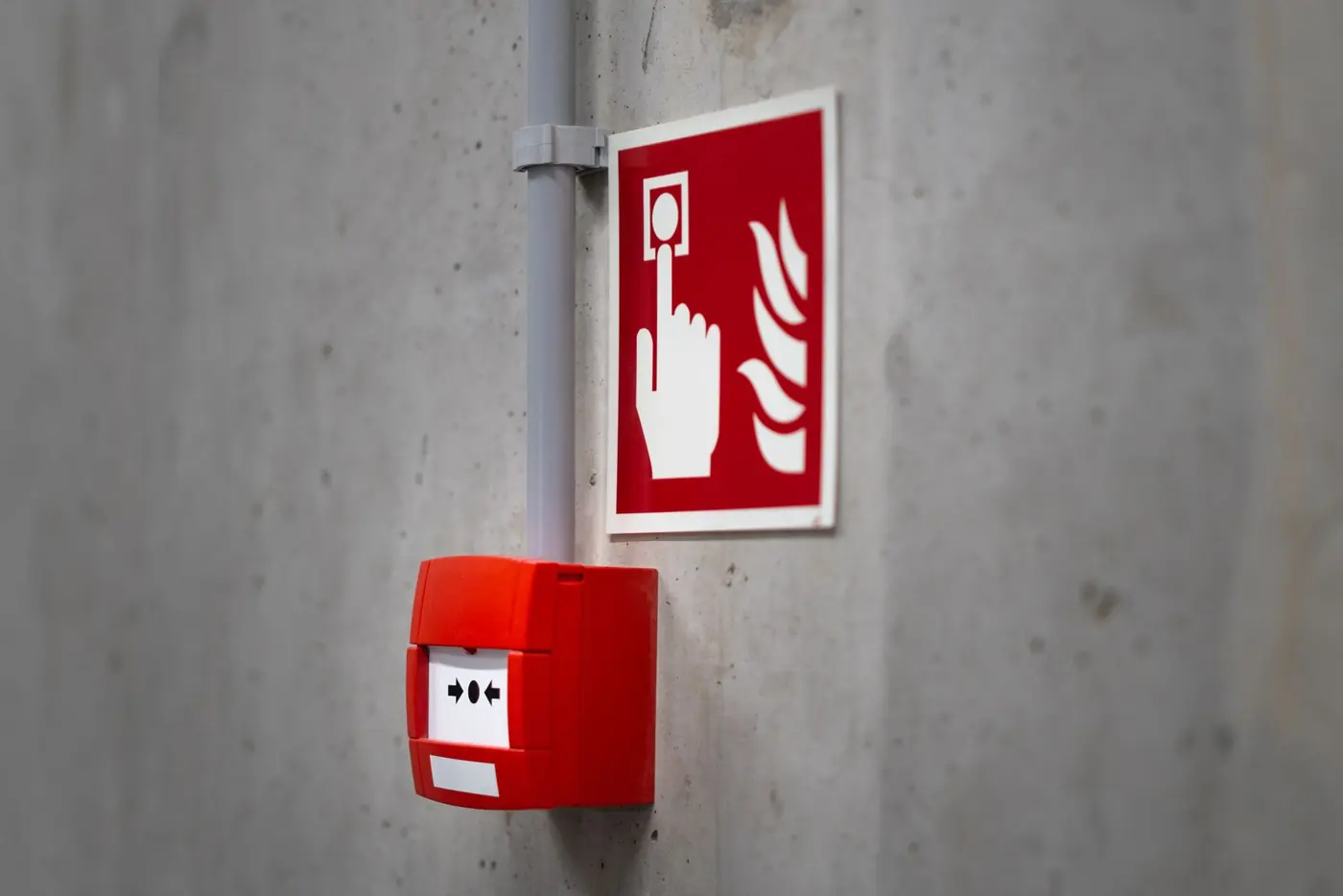
Routine checks for the responsible person
Follow the documented user-test procedure for the specific system. Manual call points and other functions are tested on a planned basis, using the correct equipment and notifying occupants or any monitoring service where necessary. Do not improvise by applying smoke or heat to a detector.
Check the panel for normal status and investigate fault, disablement or supervisory indications. Keep escape routes and manual call points accessible. Look for visible damage to detectors, sounders and cables without opening equipment or working beyond your competence.
Record tests, false alarms, faults and actions in the fire alarm logbook. Staff should know who receives these reports and how urgent defects are escalated. A missing record makes it harder to demonstrate that a problem was recognised and resolved.
User routine
Carry out the defined tests and visual observations at the required intervals, following the site's instructions and notification process.
Immediate concerns
Report damage, disablements, repeated false alarms and unclear panel indications rather than waiting for the scheduled service.
What professional servicing should cover
The competent service provider follows an inspection and test programme suited to the system and applicable standard. This can include detectors, manual call points, control equipment, sounders, visual alarm devices, power supplies and interfaces, with results documented.
Detector condition and environment need attention. Dust, paint, obstructions and unsuitable replacement devices can affect operation. High ceilings, racking and production areas may require safe access arrangements and particular test methods agreed in advance.
Standby and primary power arrangements should be checked using appropriate procedures. Any links to access control, plant shutdown or other building systems require coordinated testing so the intended cause and effect occurs without creating an unplanned hazard.
Manage false alarms and building changes
Investigate the cause of every unwanted activation and record the device, location, time and circumstances. Cooking fumes, dust, steam, incorrect detector selection and poor siting are examples that may require corrective design or management, not simply repeated resets.
Tell the fire alarm provider about new partitions, changed room use, racking, suspended ceilings and ventilation alterations. These can affect detection coverage and sound distribution. Building work should include protection and reinstatement procedures for detectors without leaving them covered afterwards.
Staff training should reflect any change to the panel, zones or evacuation arrangements. Clear device labels and an up-to-date zone chart help occupants and emergency responders understand the information presented.
- Keep the logbook current with tests, alarms, faults and repairs.
- Use competent people and safe access for inspection and testing.
- Investigate false alarms and report all disablements promptly.
- Review detection and warning coverage after building alterations.
Close the loop after every service
A service report should state what was inspected, which devices were tested, defects found and work required. Compare the report with previous visits and ask about any repeated recommendation that remains outstanding.
Agree responsibility and a timescale for corrective action. Where part of the system is impaired, the responsible person should ensure suitable interim fire safety measures are in place. Update certificates, records, drawings and site instructions after repairs or modifications.
Do not treat a service visit as proof that the system will remain untouched for the next six months. Routine checks, good housekeeping and prompt reporting by staff complete the maintenance arrangement.
FAQs
Fire alarm maintenance: frequently asked questions
How often should a commercial fire alarm be serviced?
BS 5839-1 recommends inspection and servicing at least every six months by a competent person, alongside routine user checks.
Can staff test a fire alarm themselves?
Trained staff can perform the defined routine user tests under the site's procedure. Technical inspection and repairs belong to competent people.
What should I do about repeated false alarms?
Record the device and circumstances and arrange investigation. Do not disable or cover detection as a permanent answer.
Further reading
Related commercial security guides
Conventional vs addressable fire alarms
Understand zone and device identification, wiring, fault information and why the fire risk assessment determines the final design.
Read the guideAccess control maintenance
Check readers, locks, doors, controllers, users, backups and emergency operation as one complete access control maintenance routine.
Read the guide
Sources
External references used for this guide
Is your fire alarm service or logbook overdue?
Arrange a competent inspection and testing visit, with clear recommendations for any defects or building changes.
Free site inspection
Request commercial fire alarm maintenance
Tell us your panel type if known, the last service date and any faults, false alarms or alterations affecting the system.
Or email info@msmesecurity.co.uk
- Monday to Friday: 9am to 6pm
- Saturday and Sunday: 11am to 5pm