
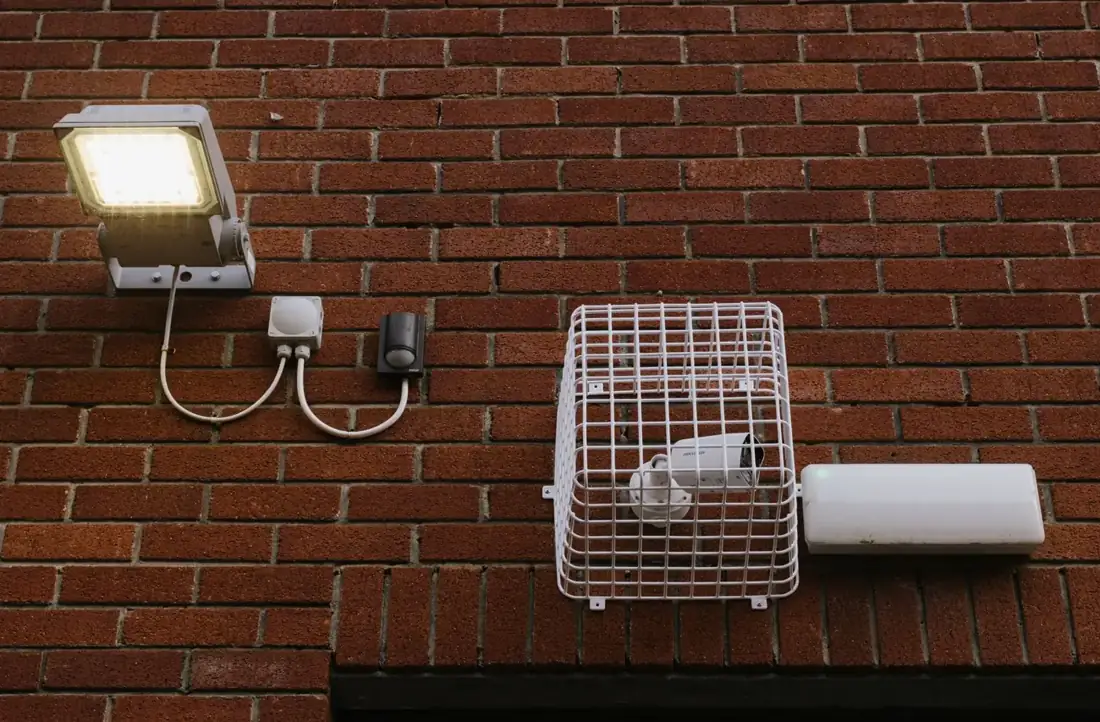
Workplace movement lighting guide
Loading bay and car park lighting for safer site movement
Loading bays and car parks bring people and moving vehicles together. Lighting should help everyone see the task, understand the route and notice hazards without introducing distracting glare.
- Free site inspection and quotation
- Engineer led, no salespeople
- No callout charges for 3 months after installation
Before you buy
Design around movements and working positions
A car park and a loading dock have different visual demands, even when they share the same external space. A driver looking for a parking bay needs different information from a worker checking the edge of a vehicle platform. Divide the area by task before deciding where lights belong.
HSE lighting guidance supports a risk-based approach to adequate workplace illumination. It should inform the assessment alongside traffic management, physical segregation and safe systems of work. Lighting cannot make an unsafe reversing arrangement acceptable on its own or replace suitable barriers between people and vehicles.
Include staff who use the space at different times. Early cleaners, late shift workers and visiting drivers may experience conditions that daytime managers never see. Review the site in representative darkness and weather, using safe observation positions and agreed supervision.
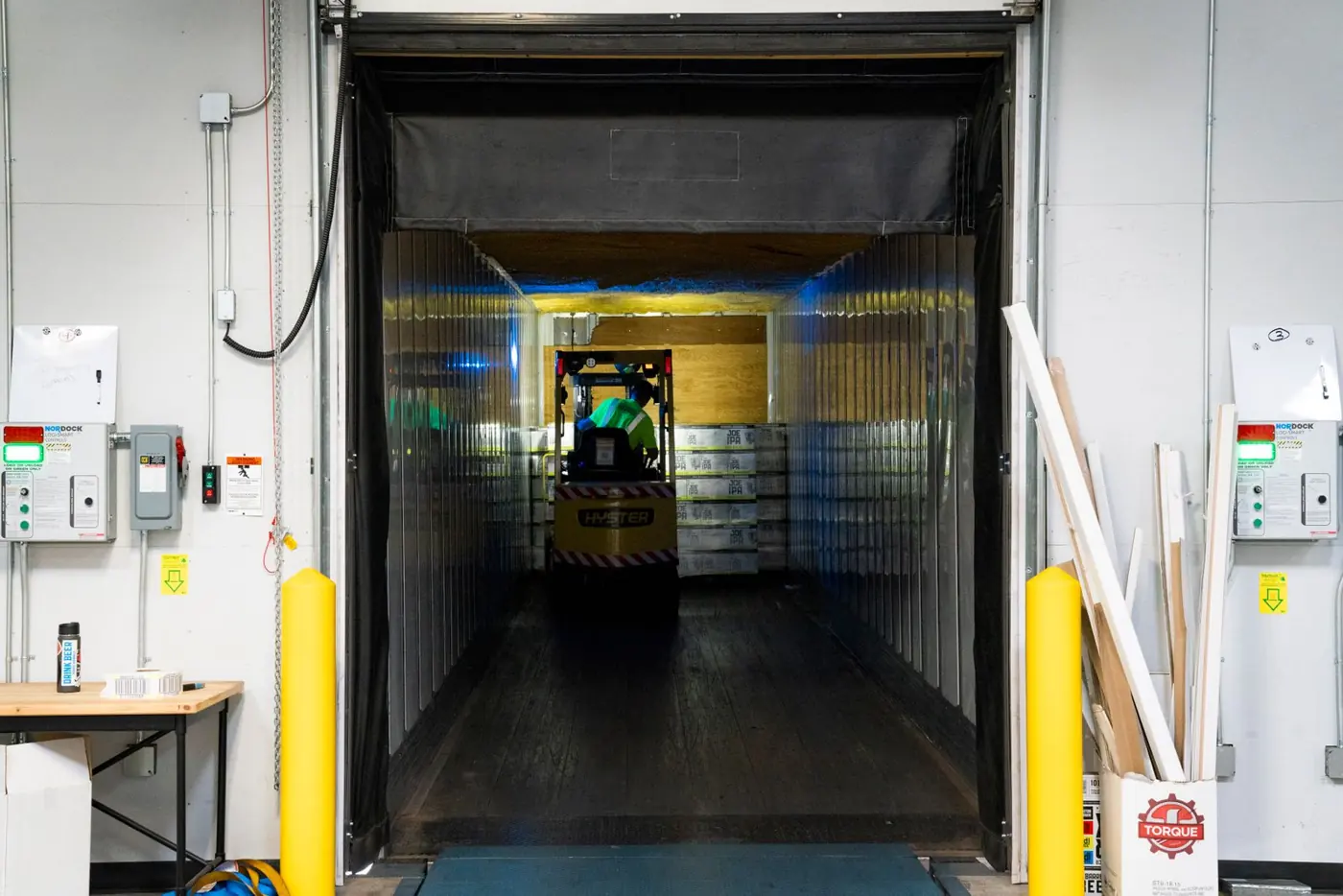
Separate the tasks at the loading dock
Map the approach, reversing area, dock edge, vehicle interior and pedestrian escape routes. Each has distinct visibility requirements. Consider the worker's position and where shadows fall when a lorry is present, because an empty-bay inspection can miss the main obstruction.
Check the transition between the external yard and the inside of a trailer or building. Large changes in brightness can make details difficult to recognise. Task lighting may be needed for handling or checking goods rather than expecting distant floodlights to illuminate every working surface.
Specify how dock equipment, doors and protective structures affect the light. Ensure fittings are protected from foreseeable impact and do not obstruct movement. Any adjustments near dock levellers or moving doors should be coordinated with the equipment's safe operating arrangements.
Make pedestrian routes legible throughout the journey
Trace the route from parking spaces to entrances, welfare facilities and security points. Include steps, ramps, crossings and places where people pass behind parked vehicles. The route should remain understandable when parking spaces are full, not only when the surface is unobstructed.
Look for abrupt dark gaps between lighting zones. People may need to recognise kerbs, changes in level and other users before reaching them. Consider the visibility of signs and barriers without allowing those objects to create new shadows on the walking surface.
Review arrangements for visitors unfamiliar with the premises. Clear wayfinding and suitable illumination can reduce wandering into loading operations, but physical segregation and instructions remain necessary. Include accessible routes and the needs of people who may find glare or uneven illumination particularly difficult.
Check driver sightlines, crossings and parking manoeuvres
Observe the site from vehicle cab height and along the main approaches. Lights that appear well positioned from the ground may sit directly in a driver's line of sight. Check reversing movements and turns as well as straight travel through the car park.
Assess crossings where pedestrians emerge between buildings or parked vehicles. Suitable lighting should support recognition of people and route markings, while signs and traffic controls establish priority. A brightly lit crossing does not remove the need to reduce conflict through layout and operating rules.
Allow for wet surfaces and reflective bodywork during the review. Glare can change substantially with rain and vehicle position. If the design is being modelled, explain the real traffic patterns and obstructions to the designer rather than supplying only a boundary plan.
Use workplace guidance to define a site-specific brief
HSE's Lighting at Work publication explains issues including illuminance, distribution, glare and maintenance. Use it as a framework for discussing appropriate lighting with a competent designer. Avoid applying one generic target to every external surface regardless of the task and the risks involved.
Document the activities, operating times and assumptions behind the proposal. Specify how performance will be checked at relevant working positions, including any measurements required. This creates a clearer acceptance process than deciding informally whether the installation looks bright enough.
Consider loss of normal lighting within the site's wider emergency arrangements. Where separate emergency lighting is required, ordinary floodlights or movement sensors are not automatically a substitute. Have the responsible competent person review the applicable escape and safety requirements.
Test in use and maintain the original design intent
Commission with representative vehicles, open and closed doors and normal parking occupancy where practicable. Check task visibility and controls with the staff who perform the work. Address dark areas or distracting glare before treating the job as complete.
Keep maintenance access in mind, especially above live traffic routes or dock equipment. Plan cleaning and replacement without exposing people to uncontrolled vehicle movements. A maintainable layout is more likely to preserve performance than one requiring improvised access whenever a fitting fails.
Revisit the assessment after route changes, new shelters or altered delivery schedules. Keep reports of near misses and lighting defects together so recurring patterns are visible. Assign responsibility for checking reported faults and confirming that completed repairs restore the intended conditions.
FAQs
Loading bay and car park lighting: frequently asked questions
Is there one lighting level for every car park?
No single figure answers every task and risk. A competent designer should consider the activities, layout, users and relevant guidance, then define suitable performance and how it will be verified.
Can floodlights illuminate the inside of trailers?
Sometimes they contribute, but the vehicle and dock structure can block the light. Assess the actual loading position and consider suitable task lighting where the work cannot be seen clearly.
Can lighting replace pedestrian barriers?
No. It supports visibility but does not physically separate people and vehicles. Use lighting alongside a suitable traffic management plan, clear routes and other controls identified by the risk assessment.
Further reading
Related commercial security guides
LED yard lighting upgrades
Replacing old yard floodlights should improve how the site works after dark. Start with tasks, visibility and control requirements rather than choosing an LED fitting by its headline output.
Read the guideSecurity lighting for businesses
Plan external lighting for safer movement and clearer CCTV while avoiding glare, dark shadows, nuisance and wasted energy.
Read the guideOffice building security checklist
Office security depends on everyday habits as well as door hardware. Follow the route from reception to sensitive rooms, then check how access changes during evenings, absences and contractor visits.
Read the guide
Sources
External references used for this guide
Review visibility where vehicles and people meet
Arrange a free site inspection and consultation focused on loading tasks, car park movements and the pedestrian routes connecting them to the building.
Free site inspection
Discuss dock and car park lighting
Describe your delivery hours, parking arrangements and difficult working positions so the lighting review can concentrate on the movements that matter most.
Or email info@msmesecurity.co.uk
- Monday to Friday: 9am to 6pm
- Saturday and Sunday: 11am to 5pm