

Vehicle access guide
How to choose a car park barrier
Match the barrier to the way vehicles arrive, queue and leave, while keeping pedestrians safe and avoiding a system that slows your operation down.
- Free site inspection and quotation
- Engineer led, no salespeople
- No callout charges for 3 months after installation
Before you buy
Decide what the barrier is expected to achieve
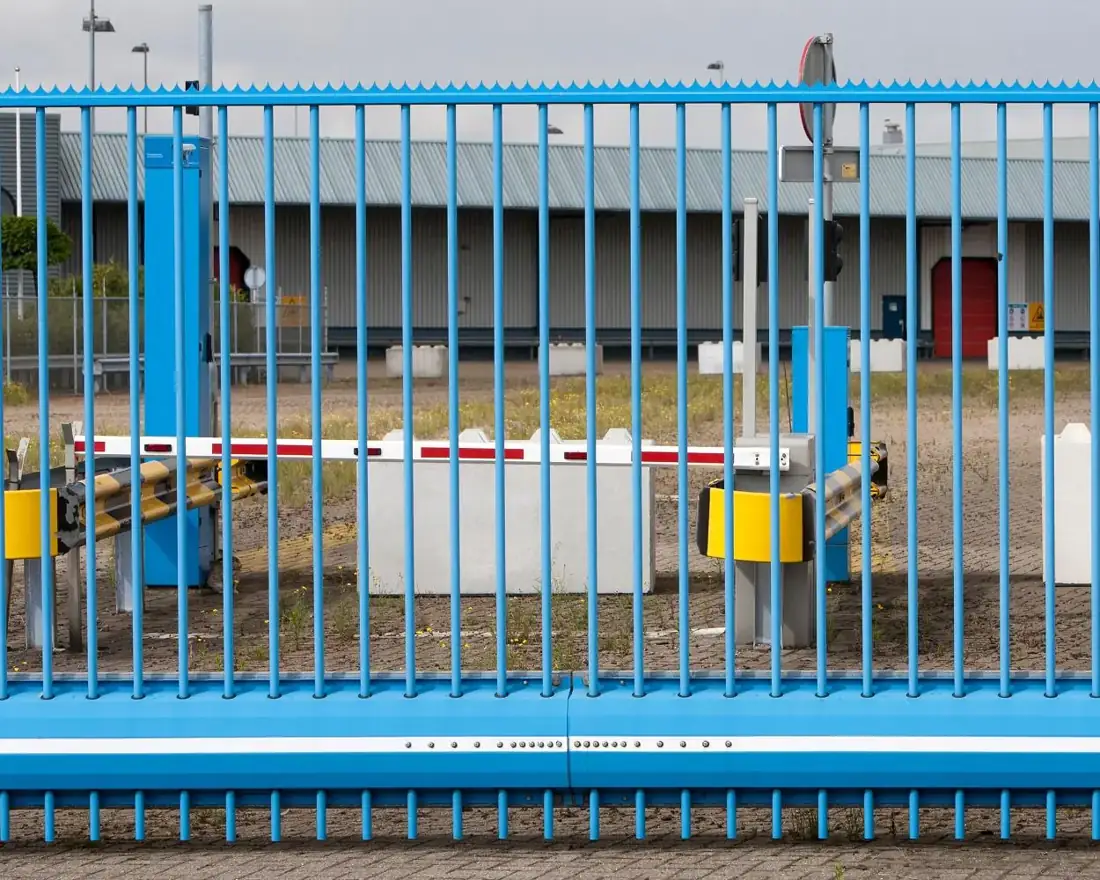
A rising-arm barrier is effective at regulating vehicles and discouraging unauthorised parking. It is not a full perimeter closure: pedestrians can usually walk around it, and a determined vehicle may be able to force through. Sites needing a secure boundary outside working hours often combine a barrier with a gate and fencing.
Traffic behaviour should drive the specification. A small staff car park has different demands from a distribution entrance receiving HGVs throughout a shift. Count approximate movements at busy times, identify the largest vehicles and observe where queues can safely form without obstructing a public road.
Visitor handling is equally important. Regular drivers might use ANPR, cards or fobs, but an unfamiliar delivery driver still needs a clear way to request entry. Intercoms, reception release and gatehouse procedures should be designed together with the barrier.
Budget guide
Car park barrier budgeting figures
A basic barrier and a fully managed vehicle entrance are different projects. Use the ranges below as a starting point before a lane layout and controls have been specified.
- Standard rising-arm barrier
- £2,500 to £5,000
- A conventional single barrier with straightforward controls on a prepared commercial entrance.
- Heavy-duty or high-use barrier
- £4,000 to £7,500
- Equipment selected for longer arms, more frequent movements or demanding industrial operation.
- ANPR control per lane
- Add £2,000 to £4,000
- Camera, recognition and authorised vehicle lists, with the scope varying between suppliers and sites.
- Intercom and additional access control
- Allow £500 to £2,000+
- Visitor calling, readers, fobs or remote release, depending on connectivity and the number of users.
Figures are broad UK market indications excluding VAT, not MSME Security charges. Concrete bases, ducts, induction loops, power supplies, traffic management and paired lanes may require additional allowances.
Check the physical layout first
The boom must span the intended vehicle lane without creating a misleading gap beside it. Longer arms may need supports, while wide or two-way entrances can call for separate barriers. Measure the usable lane rather than the full boundary opening.
Duty cycle
Choose equipment for actual peak and daily movements. A motor intended for occasional use may wear quickly at a busy logistics or multi-tenant entrance.
Opening speed
Faster operation can reduce queues, but only when detection and control logic allow vehicles to pass safely. Throughput includes driver response and visitor checks.
Pedestrian separation
Provide a clear walking route that avoids the moving arm and vehicle swept paths. Markings, fencing or a separate gate may be needed.
Manual operation
Agree how authorised staff release the barrier during a fault or power interruption, and how the entrance remains controlled in the meantime.
Select controls for each kind of driver
ANPR can suit fleets and regular staff vehicles because there is no card to present. It still needs a reliable camera view, suitable lighting and a process for changed, dirty or unregistered plates. Keep an alternative entry method available for exceptions.
Cards, fobs and transmitters are straightforward for known users but require issue and cancellation procedures. Keypads can work for small groups, although shared codes should be changed regularly. An intercom gives visitors a human point of contact, provided someone is responsible for answering it.
Exit design should not be an afterthought. Free-exit loops, a second reader or gatehouse control may be appropriate. Test the proposed sequence with cars, vans and HGVs so tailgating, long vehicles and queuing do not produce unsafe or frustrating behaviour.
What to include in a barrier quotation request
Supply photographs, approximate dimensions and a short description of peak traffic. Explain whether the objective is parking control, operational traffic management, out-of-hours security or a combination. State which existing CCTV, access control or gatehouse systems should be retained.
Ask for the safety concept and all civil and electrical work to be itemised. The proposal should explain vehicle detection, obstacle protection, manual release and commissioning. Also establish the maintenance interval and how quickly faults can be attended, particularly where a failed barrier would stop deliveries.
- Record the number and type of vehicles at the busiest time.
- Identify staff, visitor, contractor and emergency access routes.
- Request clear exclusions for groundworks, power and making good.
- Plan a fallback procedure for faults, network loss and power failure.
FAQs
Choosing a car park barrier: frequently asked questions
Is a car park barrier enough to secure a site overnight?
Usually not on its own. A barrier manages vehicle flow but does not close the perimeter to pedestrians or provide the resistance of a properly designed gate and fence.
What barrier arm length do I need?
It should match the controlled lane width and the barrier manufacturer's supported configurations. Long arms can require a support, and a wide entrance may be better served by more than one unit.
Is ANPR always the best way to open a barrier?
It is convenient for known vehicles, but cards, fobs or intercom release may suit some sites better. Many entrances use ANPR alongside another method for visitors and exceptions.
Can one barrier handle entry and exit?
A single lane can sometimes operate in both directions with suitable control and traffic assessment. Busy or high-risk entrances often need separate lanes to reduce conflict and queues.
How much maintenance does a car park barrier need?
That depends on usage and the manufacturer's instructions. Include periodic inspection of the mechanism, fixings, safety devices and detection equipment in your operating budget.
Further reading
Related commercial security guides
Car park barrier cost
Typical UK guide figures for automatic car park barriers, what pushes the price up or down, and what to budget for running and maintenance.
Read the guideBarrier access control options
How keypads, fobs, intercoms, number plate recognition and ticketing work at a vehicle barrier, and which suits each kind of driver.
Read the guideAutomatic gate cost
Budget for the gate, automation, groundworks, safety equipment and controls as one complete entrance project.
Read the guide
Sources
External references used for this guide
Designing a safer vehicle entrance?
Ask an engineer to assess the lane, traffic and control options before choosing a barrier.
Free site inspection
Arrange a free barrier site inspection
Describe your car park or yard entrance, typical traffic and any existing gate, cameras or access control.
Or email info@msmesecurity.co.uk
- Monday to Friday: 9am to 6pm
- Saturday and Sunday: 11am to 5pm