
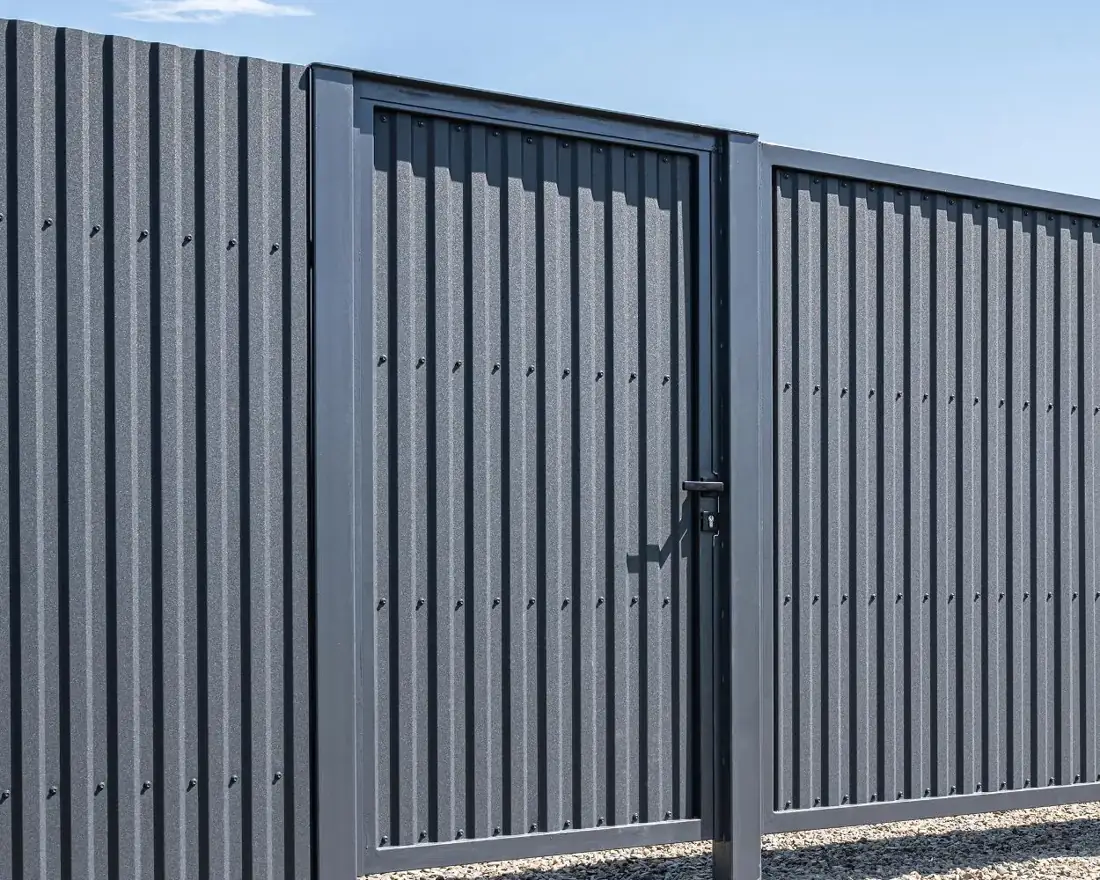
Fence topping assessment
Anti-climb fence toppings: choosing a proportionate solution
An anti-climb addition changes both the security performance and the hazards of a boundary. Assess who can reach it, what supports it and whether a safer design meets the need.
- Free site inspection and quotation
- Engineer led, no salespeople
- No callout charges for 3 months after installation
Before you buy
Start with the climbing route, not the catalogue
Toppings are intended to make crossing a boundary harder, but they cannot correct every weakness underneath. Damaged mesh, loose posts and an open side gate need attention before extra equipment is added along the top. An assessment should identify the likely route and the consequences of changing it.
Look beyond deliberate intruders. Employees, contractors, visitors and members of the public may pass close to the fence. Children may be attracted to neighbouring land, while maintenance workers may need access nearby. The assessment needs to consider foreseeable contact, not simply the intended target.
This guide compares design considerations rather than recommending one product for all sites. A suitable arrangement depends on the boundary location, existing structure and risk. Specialist legal advice may be appropriate where potentially injurious equipment could be accessible to others.
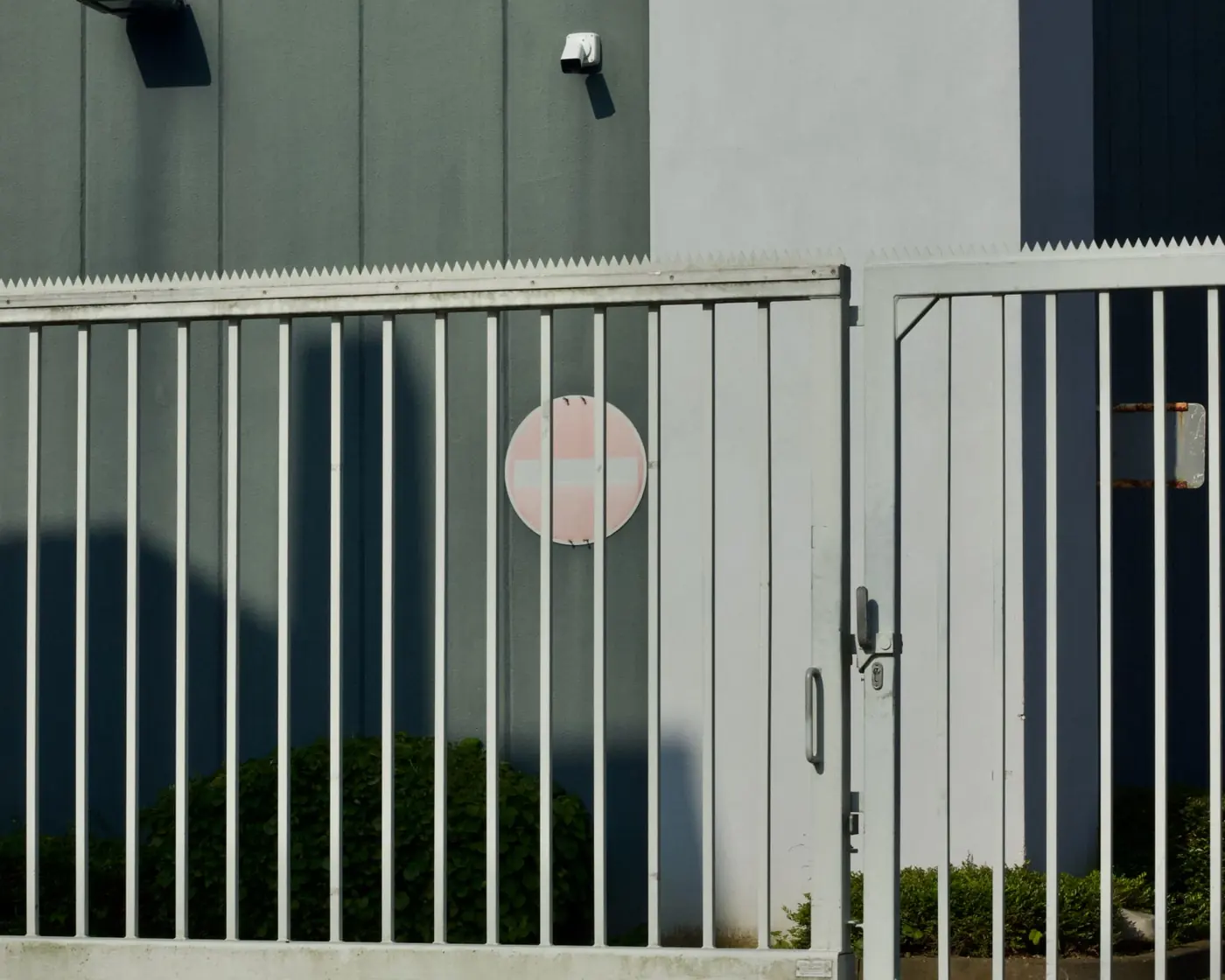
Compare mesh geometry before adding a topping
A fence with small openings and suitable detailing can reduce convenient handholds and footholds without relying on a sharp addition. Performance depends on the complete panel, fixings, posts and installation, not merely a description such as anti-climb mesh. Ask what evidence supports the proposed construction.
Check the outside face for rails, brackets and adjacent objects that provide climbing assistance. Bins, parked vans, vegetation and stored materials can defeat an otherwise sensible design. Keeping a clear strip may remove an easier route than any topping would address.
Review transitions between mesh, gates and buildings. A short unprotected return, oversized gap or low roof beside the boundary may simply move the crossing point. An effective proposal explains how the perimeter works as a continuous system.
Assess spikes and other fixed projections cautiously
Fixed spikes create an obvious hazard if a person falls against them or reaches the boundary from nearby ground. Their use requires a proportionate assessment of both security benefit and foreseeable injury. Avoid interpreting commercial availability as confirmation that a product is suitable for your location.
Position matters as much as product choice. A boundary beside a public path, shared entrance or routine maintenance area raises different concerns from a controlled internal security line. Consider whether mesh alterations, improved stand-off or another measure would address the problem with less risk.
Confirm that supports and fixings can carry the proposed addition and remain secure under foreseeable loading. Damaged or displaced projections can create new hazards lower down. Include inspections and prompt isolation of unsafe areas in the management arrangements.
Understand what rotating toppings can and cannot do
Rotating systems are designed to make it harder to gain a stable grip or foothold. They are not necessarily harmless, and their suitability depends on their construction, reachability and surroundings. Ask the supplier to explain foreseeable trapping, entanglement and maintenance risks for the intended location.
Existing fence posts may not have been designed for extra brackets or loads. Require an assessment of the support structure and the installation details rather than accepting a generic assurance that the product fits most fences. Check how corners and gate openings will be treated.
Moving parts must remain in their intended condition. Dirt, corrosion or damage can alter behaviour, so the maintenance plan should cover inspection access, cleaning and replacement criteria. A topping that no longer moves may not perform as expected.
Consider occupiers liability and meaningful warning signs
In England and Wales, the Occupiers' Liability Act 1957 concerns duties towards lawful visitors, while the 1984 Act addresses duties in specified circumstances towards people other than visitors. Duties depend on the facts. Trespassing does not automatically remove every responsibility for dangerous conditions on land.
A warning sign is not a substitute for assessing and managing the hazard. Place clear warnings where people can reasonably see and understand them before exposure, and maintain their visibility. The wording and position should describe a genuine risk without suggesting that a warning permits an otherwise unreasonable danger.
Document the alternatives considered, neighbouring uses and arrangements for authorised work near the fence. Seek competent advice if liability is uncertain. Avoid universal claims that a particular height, sign or product makes an installation legally safe in every setting.
Include planning, emergency access and inspection
Adding a topping may increase the overall boundary height or alter an approved appearance. Check planning restrictions and seek local authority advice where necessary. Ownership and landlord consent also remain relevant even when the underlying fence has stood for many years.
Consider emergency arrangements and any place where someone could become trapped between barriers. Toppings should not undermine a safe escape strategy or create an unmanaged hazard for people maintaining adjacent equipment. Discuss unusual access requirements with the responsible site team before procurement.
After installation, record the layout, inspection frequency and defect reporting process. Reassess whenever nearby storage, public access or ground levels change. Security measures need to remain appropriate as the site develops, rather than becoming an overlooked permanent hazard.
FAQs
Anti-climb fence toppings: frequently asked questions
Are anti-climb spikes always unlawful?
There is no useful universal answer for every boundary. Suitability depends on the circumstances, foreseeable hazards and relevant duties. Assess alternatives and obtain legal advice where necessary before specifying potentially injurious equipment.
Does a warning sign remove liability?
No. Signs may contribute to a risk management approach, but they do not automatically discharge an occupier's duties or make a dangerous arrangement reasonable. The overall circumstances remain important.
Should we fit toppings before repairing the fence?
Repair structural defects and control easy access routes first. A topping cannot compensate for loose panels, failed gates or materials stacked beside the boundary, and may add load to a weakened structure.
Further reading
Related commercial security guides
Fence height and planning permission
A taller fence is not automatically a lawful or better boundary. Check the planning position, ownership and surrounding uses before specifying commercial security fencing.
Read the guidePerimeter security assessment
A useful perimeter assessment follows the routes people can actually take. Walk the boundary, test assumptions and decide how each weakness will be managed before buying equipment.
Read the guideTypes of security fencing
Compare mesh, palisade, pedestrian gates and internal compounds by visibility, boundary layout, integration and day-to-day use.
Read the guide
Sources
External references used for this guide
Review the whole boundary before adding deterrents
Book a free site inspection and consultation to examine climbing opportunities, fence condition and practical options for improving the perimeter.
Free site inspection
Discuss an anti-climb proposal
Tell us about the existing fence, neighbouring paths, previous incidents and the people who need access near the boundary during everyday work.
Or email info@msmesecurity.co.uk
- Monday to Friday: 9am to 6pm
- Saturday and Sunday: 11am to 5pm