
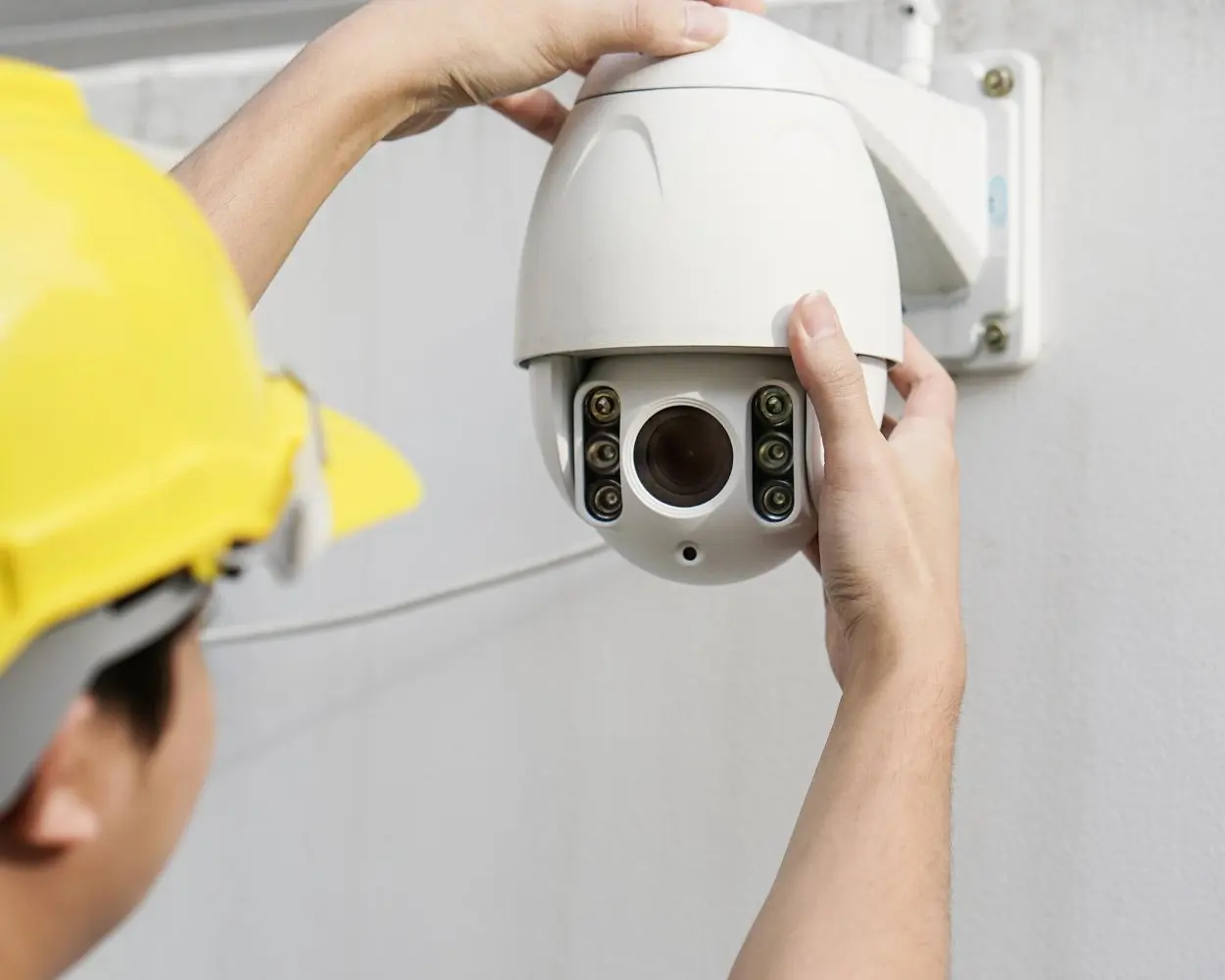
Installer selection checklist
Questions to ask a security installer before choosing a proposal
A good proposal should explain the problem being solved, the limits of the design and who remains responsible afterwards. Use specific questions to compare installers on more than a product list.
- Free site inspection and quotation
- Engineer led, no salespeople
- No callout charges for 3 months after installation
Before you buy
Ask for evidence that relates to your project
Businesses often receive quotations that look similar until the assumptions are examined. One may include commissioning and user training while another leaves essential work to a third party. Ask each installer the same core questions so differences become visible before you commit.
Provide a consistent brief describing the premises, relevant incidents, operating hours and required outcomes. Include known insurer conditions and constraints such as shared entrances or restricted installation times. An installer needs this information to make a site-specific recommendation rather than a generic equipment offer.
This guide concerns the selection process, not a claim about any firm's credentials. Where a proposal relies on certification, membership or a particular competence, ask for current evidence and verify that it applies to the organisation and work being offered.
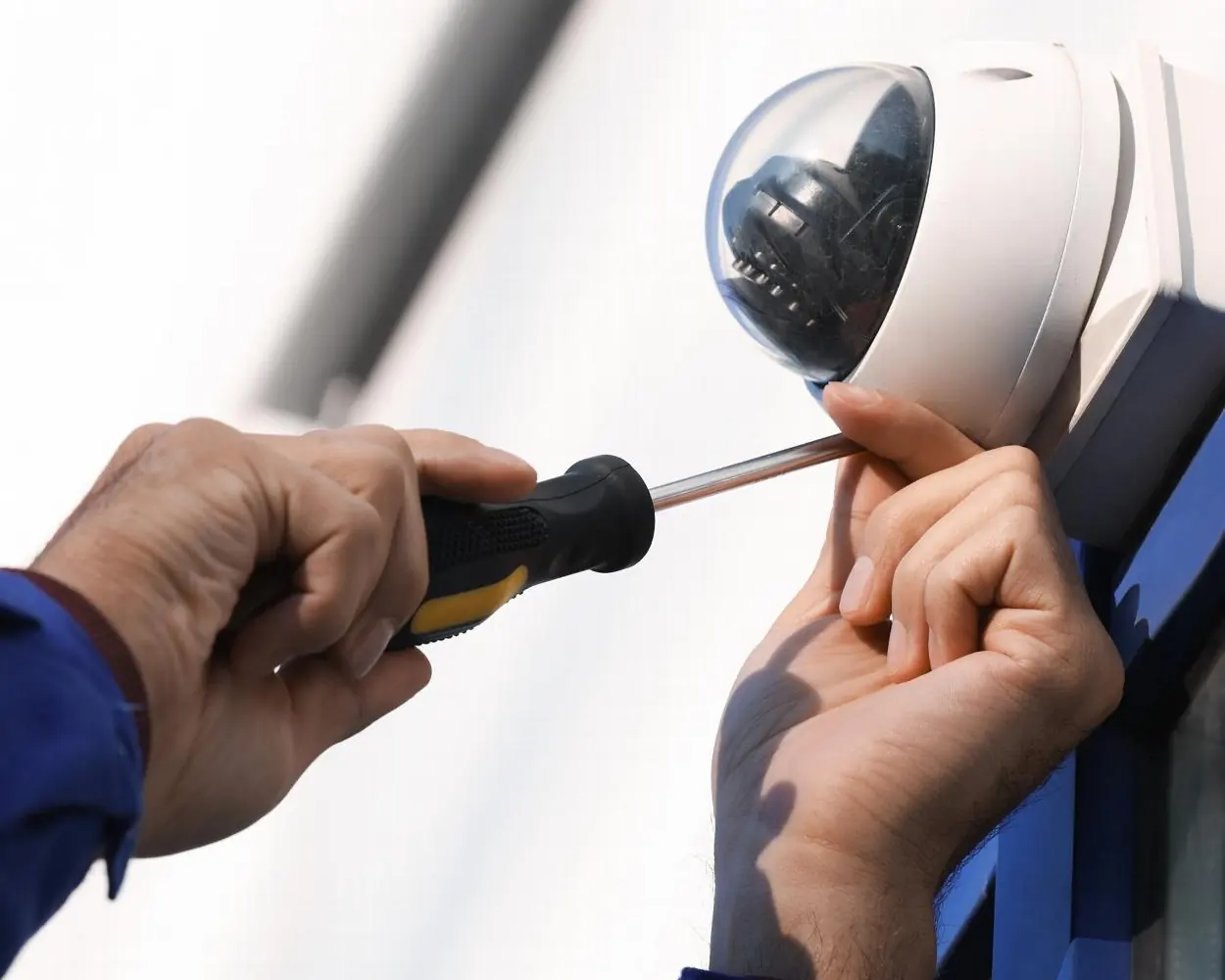
What did the survey find and why is this design suitable?
Ask the installer to explain the main vulnerabilities observed during the site inspection. The recommendation should connect each proposed measure to an identified need. If the discussion starts and ends with camera quantities or alarm panel features, request a clearer account of the intended outcome.
For CCTV, ask what you should expect to see at important locations in representative conditions. For alarms or access control, ask about coverage, users and response. Seek explicit limitations rather than accepting a broad assurance that the whole site will be protected.
Check the assumptions about stock layouts, lighting, network availability and working hours. Ask what would need to change if those assumptions prove wrong. A clear answer helps distinguish a considered design from a specification copied across unrelated premises.
What evidence supports the people and products proposed?
Ask who will design, install and commission the system and whether subcontractors will be involved. Request relevant evidence of competence and experience for the particular work. Identify the main contact who will resolve questions when responsibilities cross between trades.
Where certification or accreditation is mentioned, check the exact organisation name, scope and current status through the relevant scheme. Do not infer that a logo covers every activity or that membership of one body demonstrates approval for all types of security installation.
Ask about product support, replacement availability and manufacturer dependencies. A design should remain maintainable beyond handover. Understand whether another competent provider could support the installation later and what information would be needed to make that possible.
What is included, excluded and dependent on others?
Request a written scope covering installation positions, cabling, containment, power, network work and making good. Identify any landlord consents, planning matters or third party services the business must arrange. Unclear boundaries can cause disruption even when the equipment itself is appropriate.
Ask how work will be planned around trading, vehicle movements and occupied areas. Establish the approach to isolation, access equipment and temporary security while existing protection is removed. The installer should coordinate with site safety arrangements and explain any operational interruptions.
Clarify remote services, software licences and ongoing subscriptions separately from the physical installation. Understand what happens if a service is cancelled or connectivity changes. Request written confirmation of account ownership and any conditions affecting future access to recordings or configuration.
How will performance, privacy and cyber security be checked?
Ask for a commissioning plan linked to your original requirements. Relevant tests may include night-time camera views, alarm notifications and door operation under agreed conditions. Establish who witnesses testing and how defects or incomplete items are recorded before acceptance.
Discuss privacy responsibilities where people are recorded or access events are logged. The business should understand its own obligations, including appropriate information for users and controlled access to records. An installer can support implementation, but installing equipment does not automatically make every use lawful.
Ask how credentials, updates and remote maintenance are managed. Require named access where appropriate and a secure process for support. Confirm that unnecessary default accounts or exposed services will not remain in place simply because they made commissioning easier.
What will we receive at handover and afterwards?
Request drawings, device schedules, operating instructions and the access information needed by authorised administrators. Agree a secure handover method rather than leaving passwords in an openly accessible manual. Ask for training that reflects the tasks different staff members actually perform.
Clarify warranty terms, maintenance scope and fault reporting arrangements in writing. Find out which issues require attendance, what support is available outside normal hours and which elements are provided by third parties. Avoid treating a general promise of support as a defined service.
Finally, ask how changes will be documented. New users, altered layouts and software updates can affect performance. A suitable maintenance relationship should preserve an understandable record so the business does not become dependent on one person's memory of the installation.
FAQs
Questions for a security installer: frequently asked questions
Should we ask for several comparable proposals?
That can help, provided each installer receives the same brief. Compare the design reasoning, responsibilities and handover arrangements, not just equipment counts. Query omissions before deciding which proposal meets the requirement.
How do we check an accreditation claim?
Use the relevant scheme's official directory or contact the issuing body. Check the legal entity, current status and scope rather than relying on a logo or an unrelated company name.
Can an installer guarantee that crime will stop?
No sensible assessment should assume that a system eliminates every incident. Ask for clearly defined capabilities, limitations and response arrangements, with a plan for testing and maintaining the agreed performance.
Further reading
Related commercial security guides
Business security risk assessment
A security risk assessment turns concerns about crime into documented decisions. Identify what matters, how harm could occur and which practical measures reduce the most significant exposure.
Read the guideIntegrated security systems
Integration is worthwhile when it helps people make better decisions. Define how CCTV, alarms and access control should work together before choosing a platform or connecting equipment.
Read the guideChoosing an intruder alarm
Assess detection, grading, zones, signalling and the response to an activation, with realistic commercial installation and monitoring allowances.
Read the guide
Sources
External references used for this guide
Bring your questions to a site consultation
MSME Security offers free site inspections and consultations to discuss commercial security requirements and explain practical installation and maintenance options.
Free site inspection
Discuss your installer brief
Share your required outcomes, existing equipment and operational constraints so the conversation can focus on a clear scope and the questions your team needs answered.
Or email info@msmesecurity.co.uk
- Monday to Friday: 9am to 6pm
- Saturday and Sunday: 11am to 5pm