
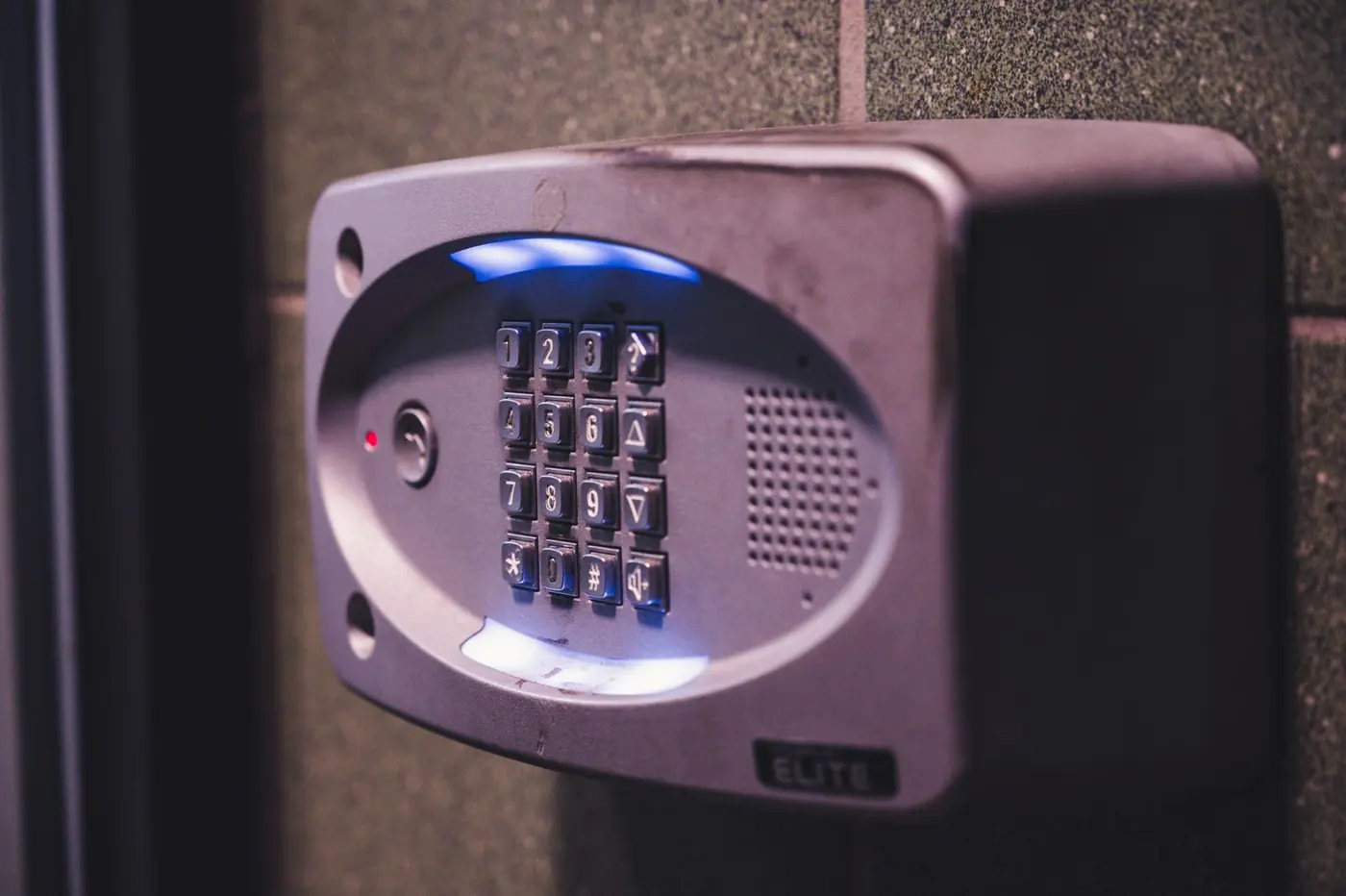
Intruder alarm reliability guide
How to reduce intruder alarm false alarms
Repeated false alarms have causes. A structured review of the event, detector, environment and user routine is more effective than simply resetting the panel.
- Free site inspection and quotation
- Engineer led, no salespeople
- No callout charges for 3 months after installation
Before you buy
Treat every repeated activation as useful evidence
False alarms waste time, create unnecessary call-outs and can make users reluctant to set the system. They can also affect keyholder arrangements and any police response. A repeated activation should trigger investigation rather than becoming an accepted part of the working week.
Start with accurate information. Record the date, time, zone, detector, setting state, weather, people on site and any activity nearby. Note whether the alarm occurred during entry, exit, cleaning, deliveries or while the building should have been empty.
One incident may have an obvious explanation, such as a door left unsecured. A pattern involving the same detector or time of day deserves closer technical and operational review. Avoid bypassing a zone permanently without understanding the risk and agreeing a proper repair.
Agree a simple reporting route so information is not lost. The person who sets the alarm, the keyholder who attends and the manager who receives an app notification may each know part of the story. Bringing those details together quickly gives an engineer a far better chance of finding the cause on the first visit.
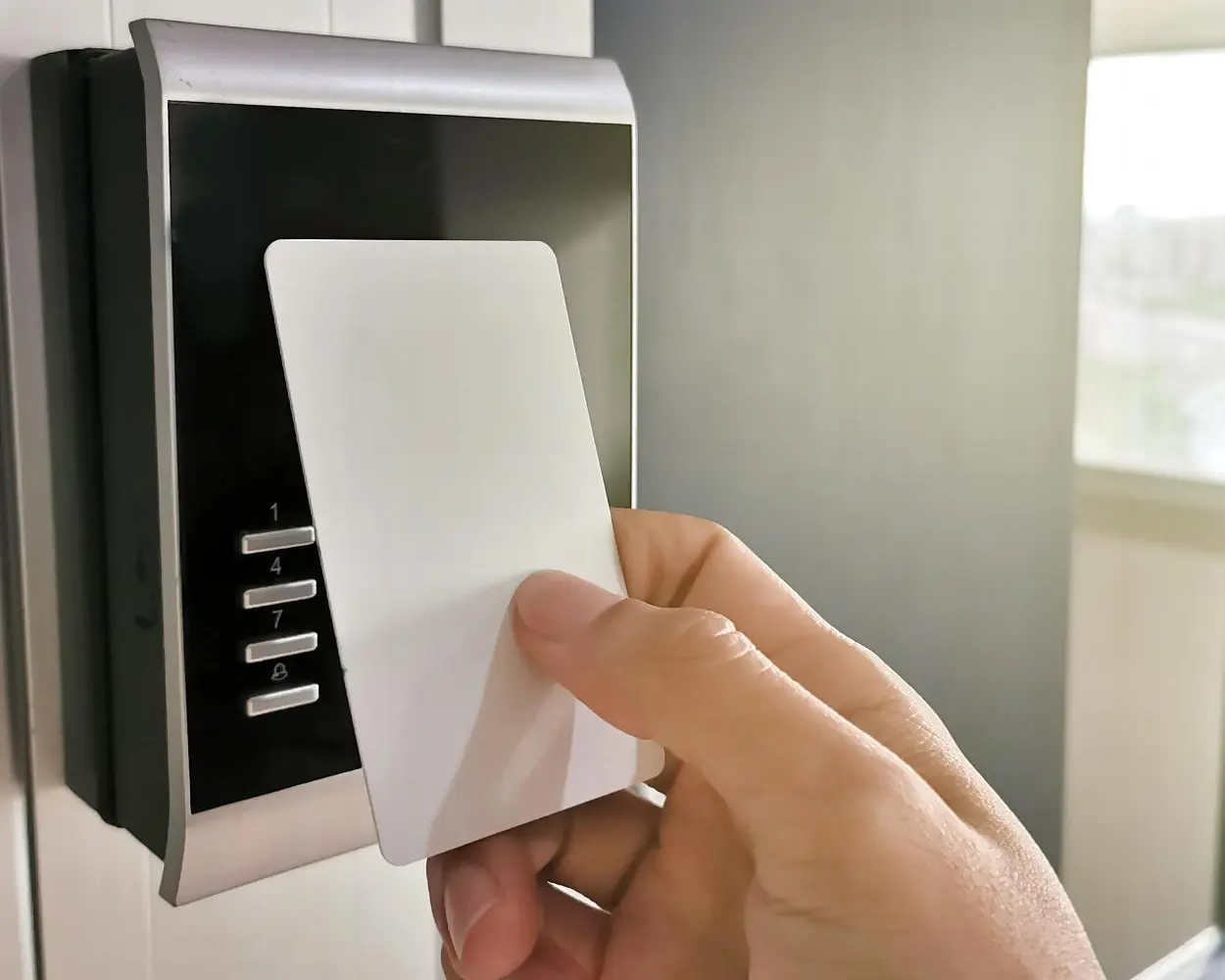
Check the detector and its surroundings
Motion detectors can be affected by unsuitable positioning, moving objects, temperature changes, animals or environmental activity, depending on the technology. Check for loose mounts and obstructions, and compare the location with the original design. New racking, machinery or partitions can change both coverage and unwanted stimuli.
Door and shutter contacts need stable mounting and correct alignment. A warped door, damaged frame or excessive movement can make a previously reliable contact intermittent. Shock sensors may need investigation where vibration from traffic, machinery or building movement has changed.
External detectors face weather, wildlife, vegetation and legitimate activity. Keep the detection area managed and use suitable equipment and settings. Do not assume increasing sensitivity improves security; it can increase unwanted events without improving useful coverage.
Look for change
Compare the current room, opening and outdoor area with conditions when the alarm was commissioned.
Use the event history
The same zone, time or weather pattern helps an engineer narrow down the likely technical or environmental cause.
Review entry, exit and setting routines
Many unwanted activations occur because a user opens a door before unsetting, exceeds the entry time or enters an area outside their permission. Walk through the normal routine with the people who actually use the alarm, including cleaners and contractors.
Individual codes, tags or permissions make it easier to understand events and remove access when someone leaves. Shared master codes weaken accountability. Ensure the final person out knows which openings to check and how to deal with a fault rather than forcing the system to set.
Part setting should reflect genuine occupancy patterns. If late working has moved to another room or delivery times have changed, the programmed zones and schedules may need professional adjustment. Written instructions should be short, accessible and specific to the building.
Maintain signalling as well as detection
Fault messages and communication failures are not intruder activations, but they can disrupt monitoring and create uncertainty. Investigate repeated warnings and test the communication paths used by the panel. Replacement routers or network changes may require coordination with the alarm provider.
Batteries, sounders and auxiliary power equipment also need appropriate inspection. Follow the maintenance schedule recommended for the system and any insurer conditions. Keep reports so recurring faults can be compared across visits.
If CCTV is linked to the alarm, check that the relevant camera view is available and that authorised users or monitoring staff understand how it is used for verification. Video does not correct poor detection, but it can help assess an event when designed and governed appropriately.
- Log the zone, time, conditions and user activity for each unwanted event.
- Train every authorised user on the building's actual entry and exit routine.
- Repair damaged contacts and investigate environmental changes promptly.
- Keep detector, power and signalling maintenance records together.
Use a structured follow-up after an incident
After an engineer resolves the cause, test the affected detector and the normal setting procedure. Update drawings or user instructions if anything has changed. Where the cause is uncertain, agree what additional information staff should capture if it happens again.
Review trends with the maintenance provider rather than treating each visit as isolated. Several small environmental or user issues can combine into frequent alarms. A redesign of one detector position or access routine may provide a more durable answer than repeated sensitivity changes.
FAQs
Reducing intruder false alarms: frequently asked questions
Should I switch off a detector that keeps causing false alarms?
Do not leave a zone bypassed without understanding the security consequence. Record the events and arrange investigation and repair.
Can a new layout cause an old alarm to false activate?
Yes. Racking, machinery, partitions, heat sources and changed traffic can alter detection. Tell the alarm provider about significant layout changes.
Do false alarms affect police response?
They can. Police requirements and monitoring procedures include rules around unwanted activations, so repeated events should be resolved promptly.
Further reading
Related commercial security guides
Intruder alarm sensor types
A plain English guide to motion, door, vibration, glass-break and external detectors for commercial intruder alarms.
Read the guideIntruder alarm maintenance
What to check across detectors, keypads, power, sounders, signalling, users and records to keep a commercial alarm dependable.
Read the guideMonitored vs unmonitored alarms
Compare audible-only alerts, app notifications and alarm receiving centre monitoring, including keyholders and escalation.
Read the guide
Sources
External references used for this guide
Is the same alarm zone causing repeated problems?
Arrange an engineer-led review of the detector, environment and user routine instead of accepting another reset.
Free site inspection
Request an intruder alarm fault review
Tell us which zone activates, when it happens and any recent changes to the building, equipment or staff routine.
Or email info@msmesecurity.co.uk
- Monday to Friday: 9am to 6pm
- Saturday and Sunday: 11am to 5pm